The lights know first
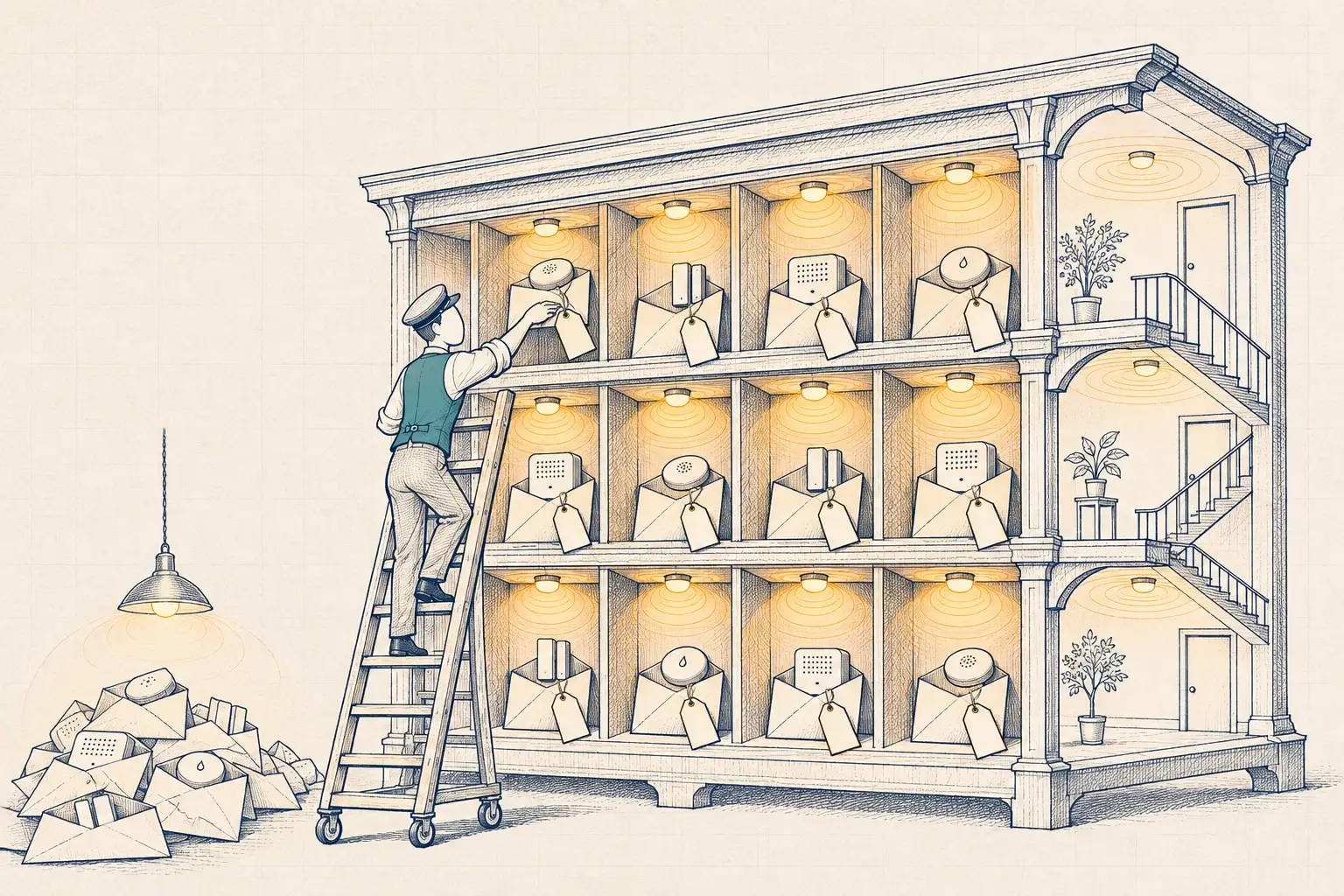
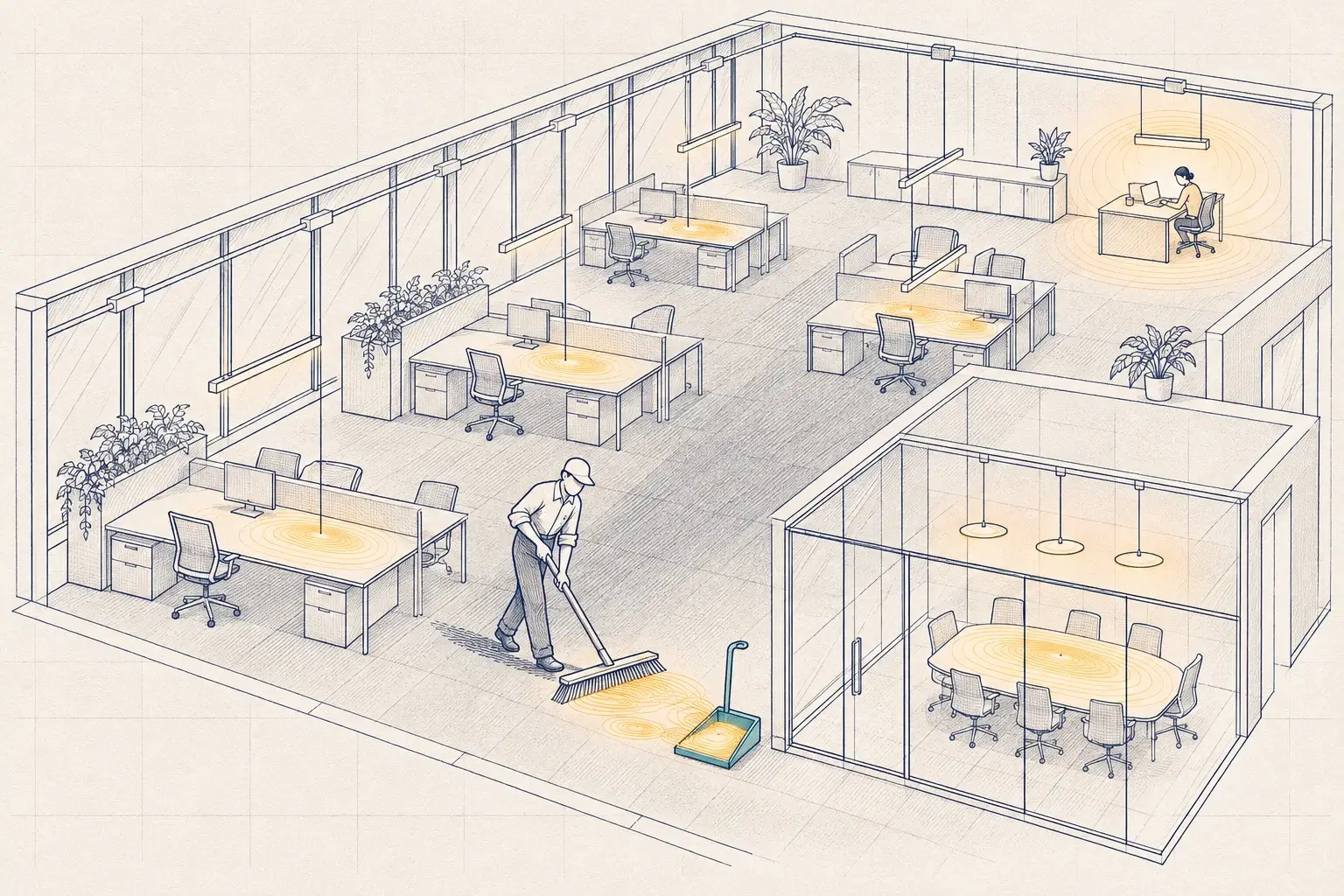
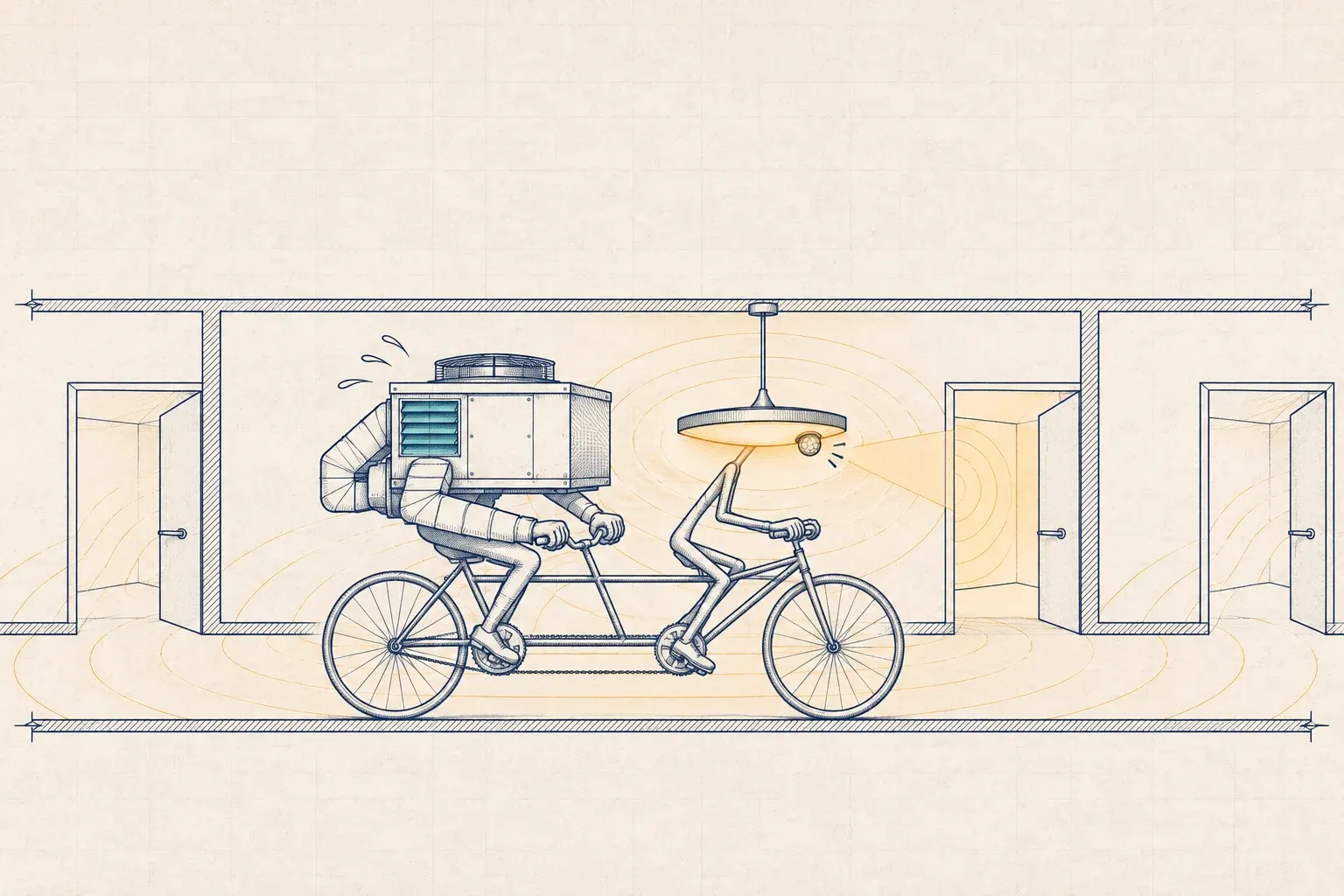
A lighting occupancy sensor in a conference room or classroom answers one question many times a minute: is anyone here? In most buildings that answer stops at the ceiling. The air handler serving the same room runs on a schedule written years ago, conditioning and ventilating it from early morning to evening whether anyone walks in or not.
The decision is narrow: which lighting data should your HVAC system receive, and over which path? Get that right and integration is a modest project with a clear energy return. Get it wrong and you pay to map thousands of points nobody uses.
Four paths, depending on what you have
| Your building has | Path we’d use | Notes |
|---|---|---|
| A BMS with BACnet/IP controllers | Lighting gateway exposes BACnet objects; BMS reads occupancy per HVAC zone | Most common today. Keep it on its own segment |
| A BMS and lighting that both support BACnet/SC | BACnet/SC through a primary and failover hub | Encrypted and authenticated, no BBMDs. Our default where available |
| Older equipment or meters on Modbus | Modbus TCP or RTU through a gateway, with a documented register map | No built-in meaning, so naming is on us |
| Rooftop units on thermostats, no BMS | Lighting occupancy to each thermostat’s remote occupancy input | The smart-thermostat path recognized in DLC NLC 5.2 |
Why BACnet/SC is worth asking for
Classic BACnet/IP was designed for trusted, isolated networks. It relies on broadcasts, so crossing subnets needs BACnet Broadcast Management Devices (BBMDs), and it has no built-in encryption or authentication. That makes IT teams nervous, and they are right to be.
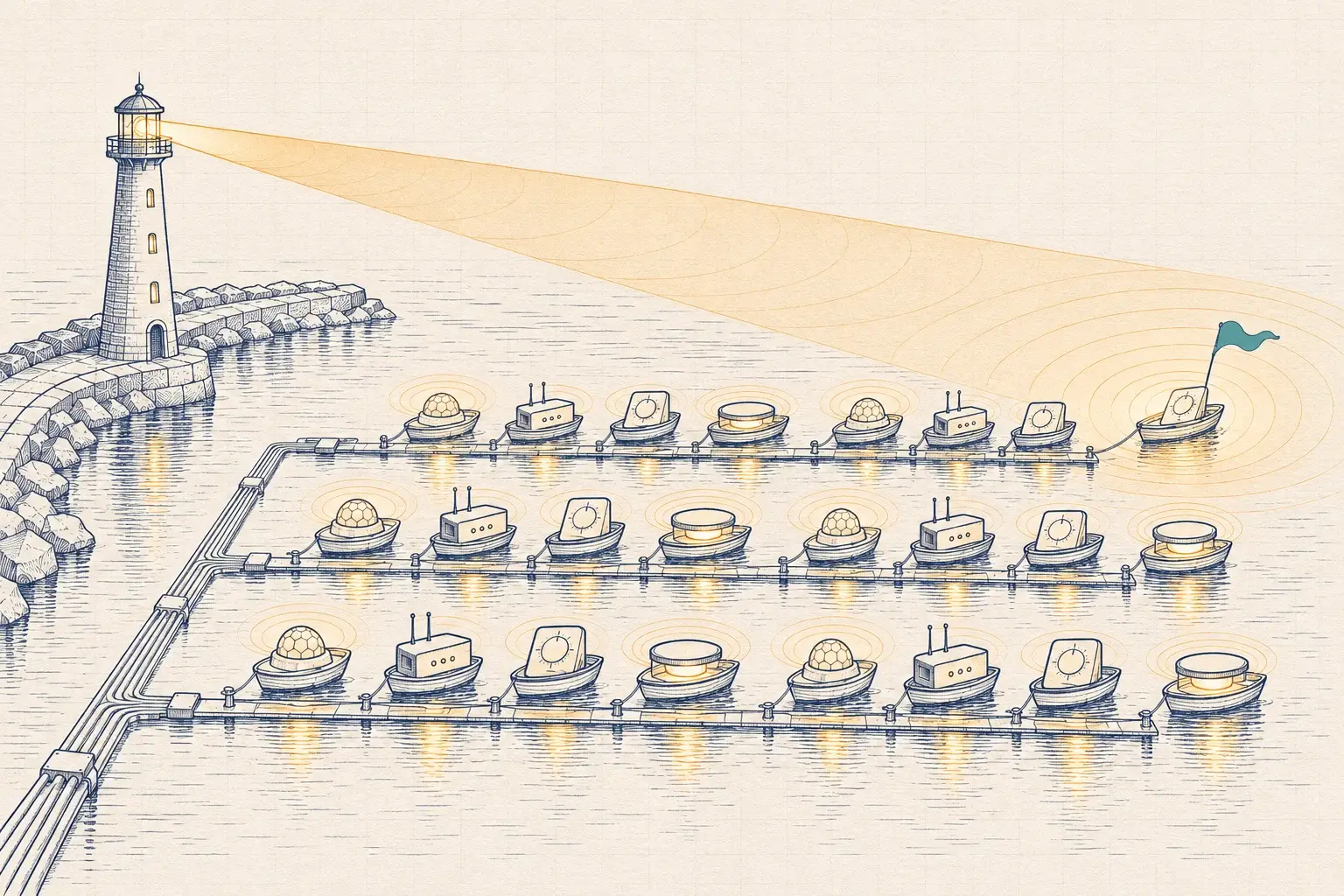
BACnet Secure Connect, defined in ASHRAE 135 Annex AB, carries the same BACnet objects over TLS-secured WebSocket connections. Each device presents a certificate, traffic runs through a hub instead of broadcasts, and the BBMDs go away. Support is still uneven across lighting gateways and older BMS controllers, so we check firmware versions and bench the actual pair in the Lytbit Lab before we promise SC on a project.
The point list is the contract
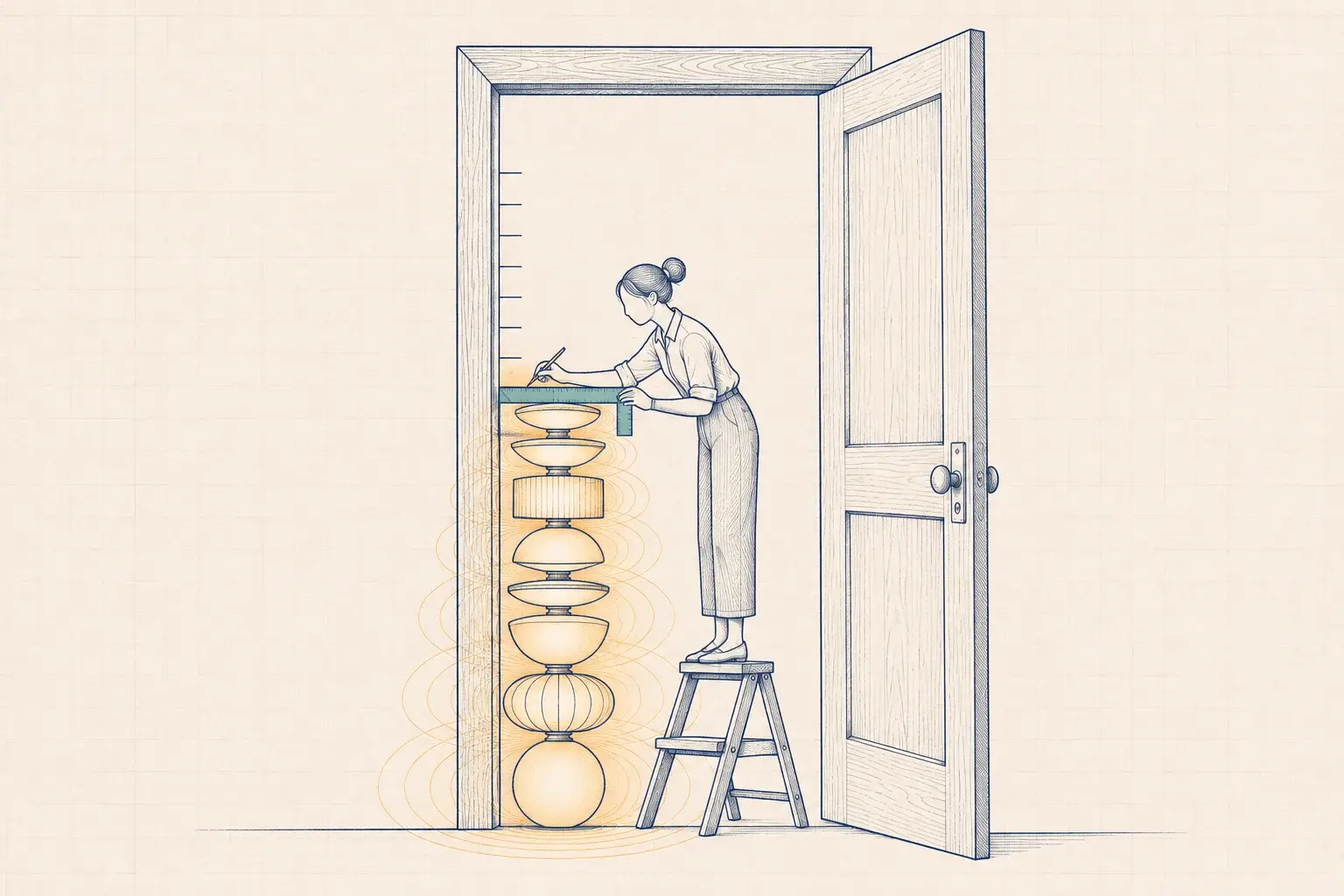
Integration is usually priced per point, which is fair: each one takes engineering, controller memory and someone’s attention. So we treat the point list as a deliverable you approve line by line. A typical HVAC zone needs very little:
- Occupancy state for the HVAC zone, aggregated from the lighting sensors that cover it;
- Sensor health, so the BMS falls back to its schedule if a sensor goes offline;
- Lighting energy per floor or panel, if the BMS or your analytics need it;
- Override and after-hours status, if facilities wants it on the same screen.
Per-fixture light levels, raw sensor states and driver diagnostics stay in the lighting platform and Lytbit Ledger unless there’s a reason to move them. Every shared point gets a name built the same way (building, floor, zone, equipment, measurement) so it reads identically in the BMS, in analytics and on a work order.
Setback that people don’t notice
Occupancy-driven setback only saves energy if nobody complains enough to get it switched off. The sequences we write follow five rules:
- Lighting zones vote, HVAC zones decide. A VAV zone over an open office might hear from six sensors; it goes to standby only when all of them report vacancy.
- HVAC waits longer than the lights. A short lighting delay is fine. Air systems shouldn’t cycle every time someone steps out for coffee.
- Standby is a band, not an off switch. Setpoints drift a limited amount, and ventilation is reduced only where the code and your mechanical engineer allow it.
- Failure falls back to the schedule. A dead sensor must never leave an occupied room unconditioned.
- Recovery is measured. We time how long each tested zone takes to return to setpoint after someone walks in, and adjust.
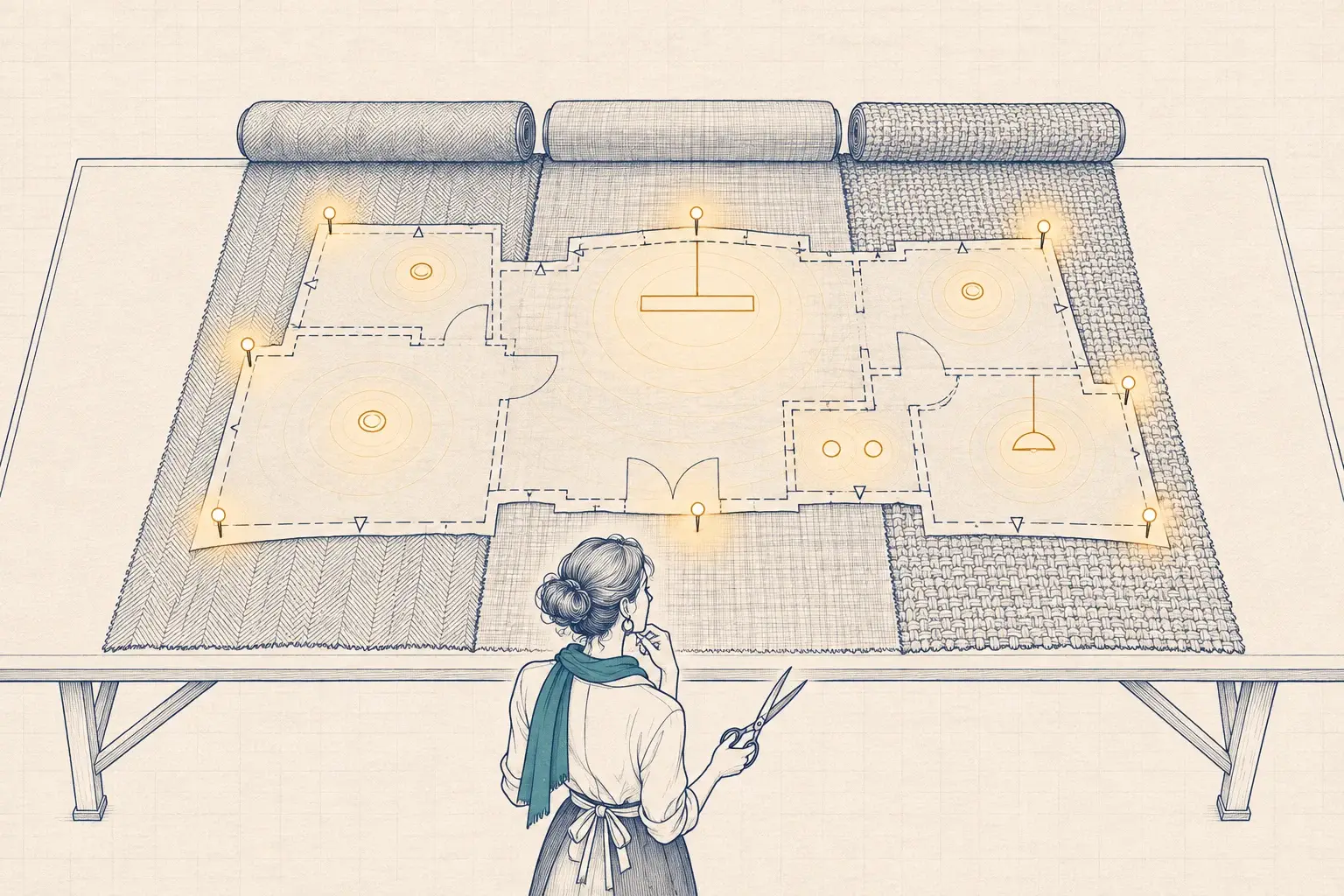
For buildings without a BMS, which describes many bank branches, small offices and retail stores in the Mid-South, the thermostat path delivers much of the same result with far less infrastructure.
Where this fits
BMS integration usually follows controls design or a retrofit, and it should be tested during commissioning like any other sequence. If your IT team needs to approve the connection between the two systems, our cybersecurity work covers the segmentation and the firewall rules.