

Services

Commercial lighting controls services

Sixteen services in four pillars, from a partner with no product line to protect. Start where your building is: a first survey, a stalled retrofit, a system nobody can log into, or a CFO asking what the lighting actually saves.

ProjectLytbit · Smart lighting & IoT
SheetE-00
Rev26.11
DisciplineServices
DrawnLytbit Engineering
Scale1 : 1
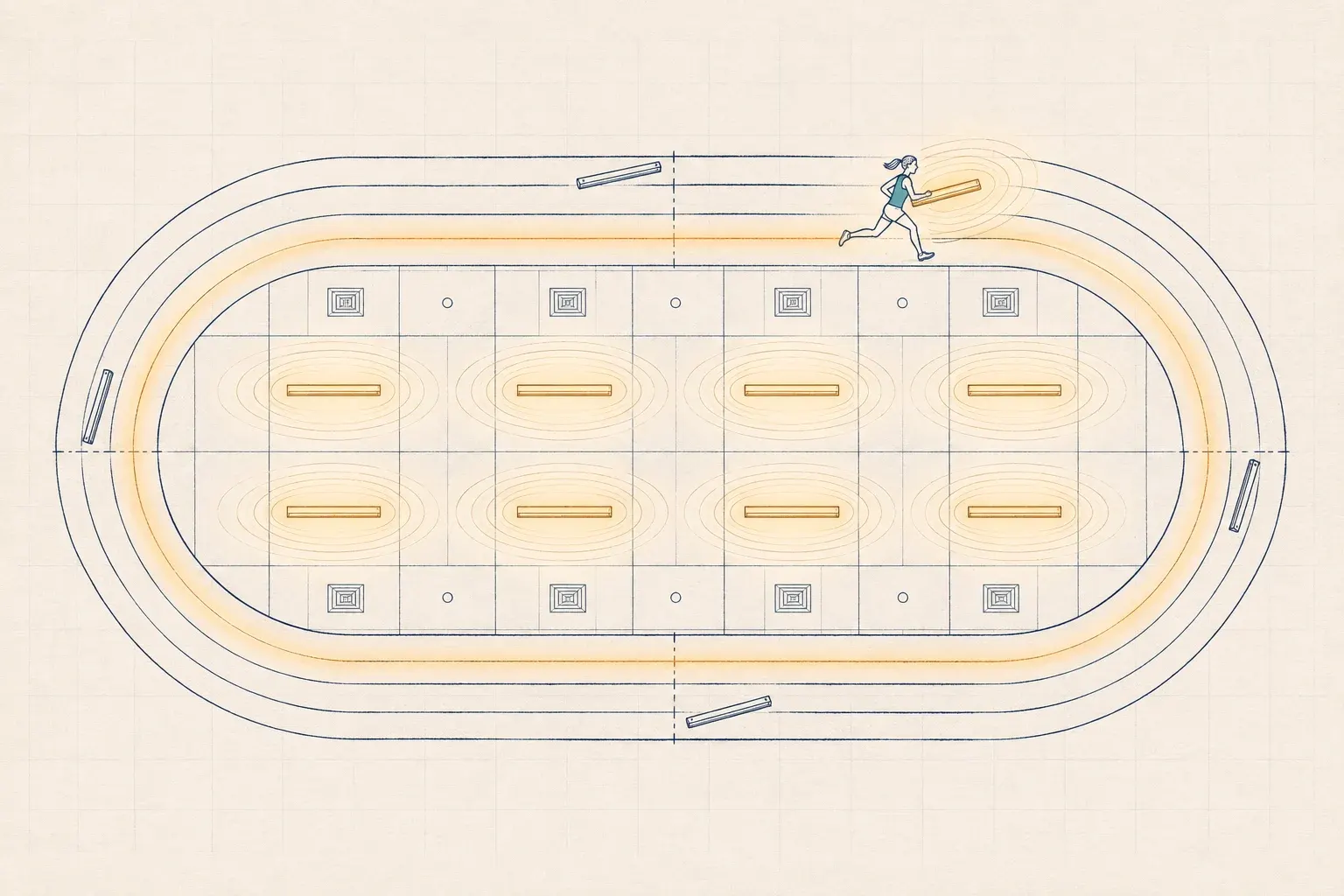
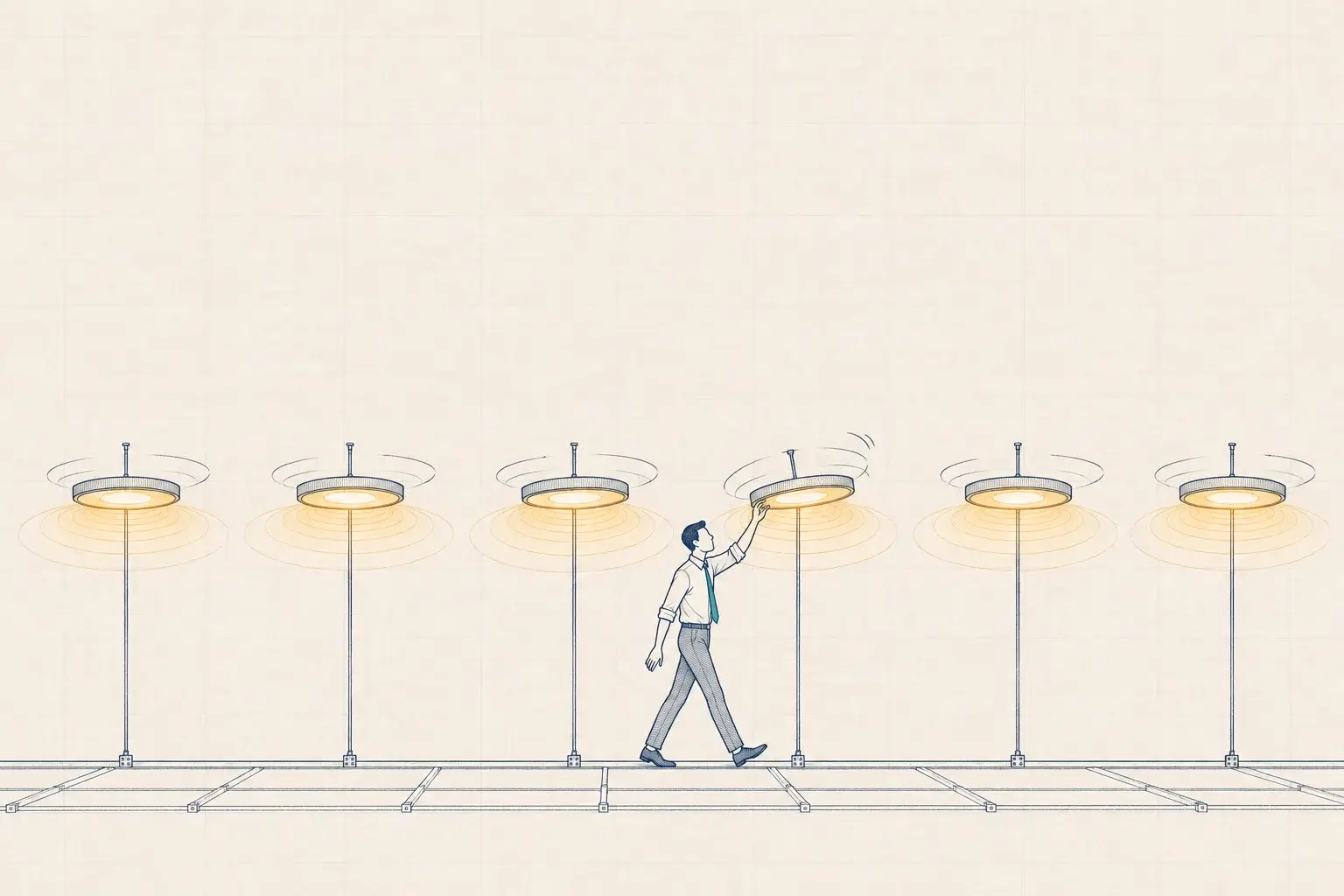
Seen from above, an athletics track drawn over a ceiling plan, with unlit baton-shaped light fixtures dropped at each handoff zone and one runner carrying a glowing fixture around the whole lap.
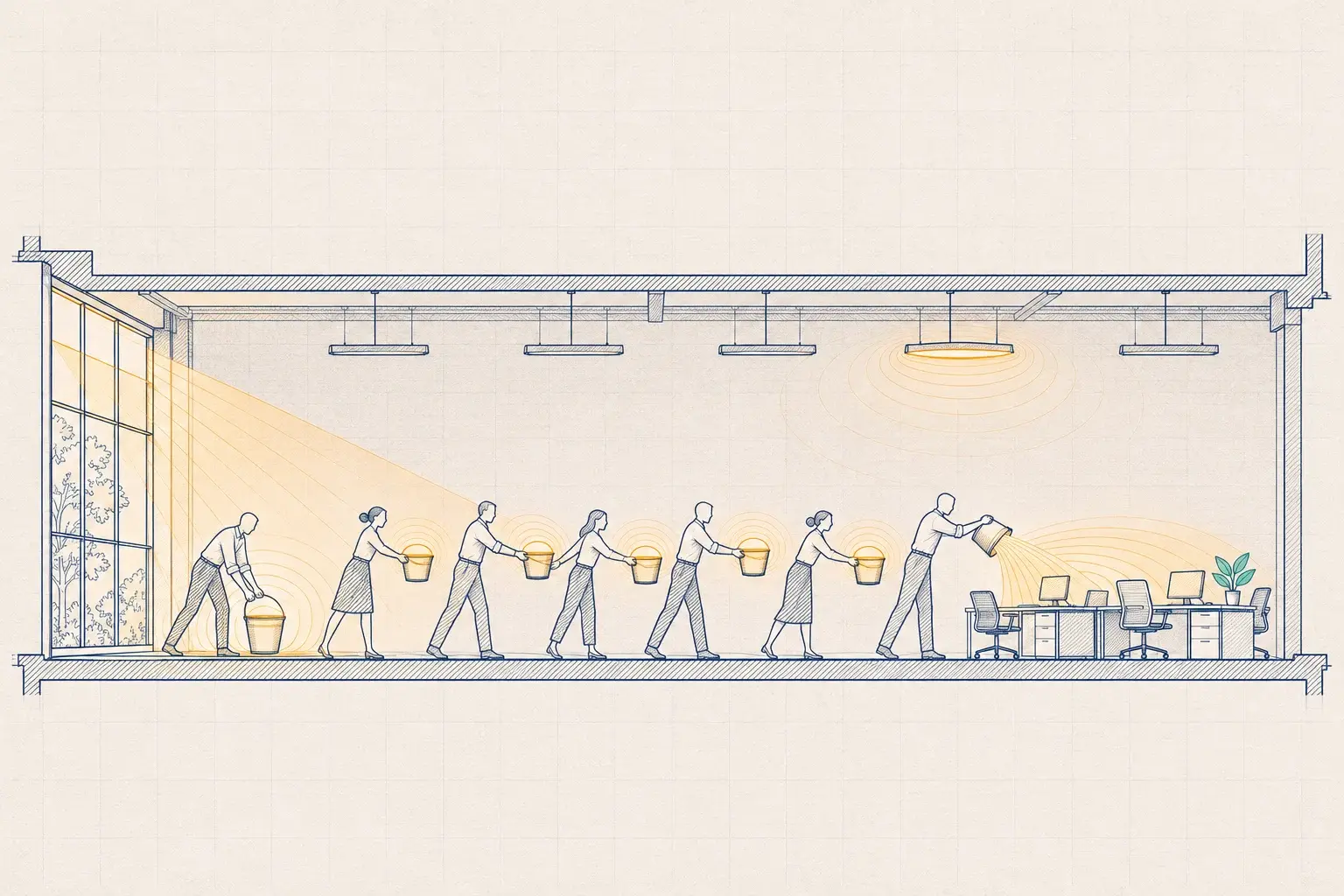
Plate E-00Systems rarely fail in the hardware. They fail in the handoffs.

Four pillars

Every service belongs to one stage in the life of a lighting control system. Most clients enter through one pillar and stay for the next.

Sheets E-01 to E-04

Assess & Design

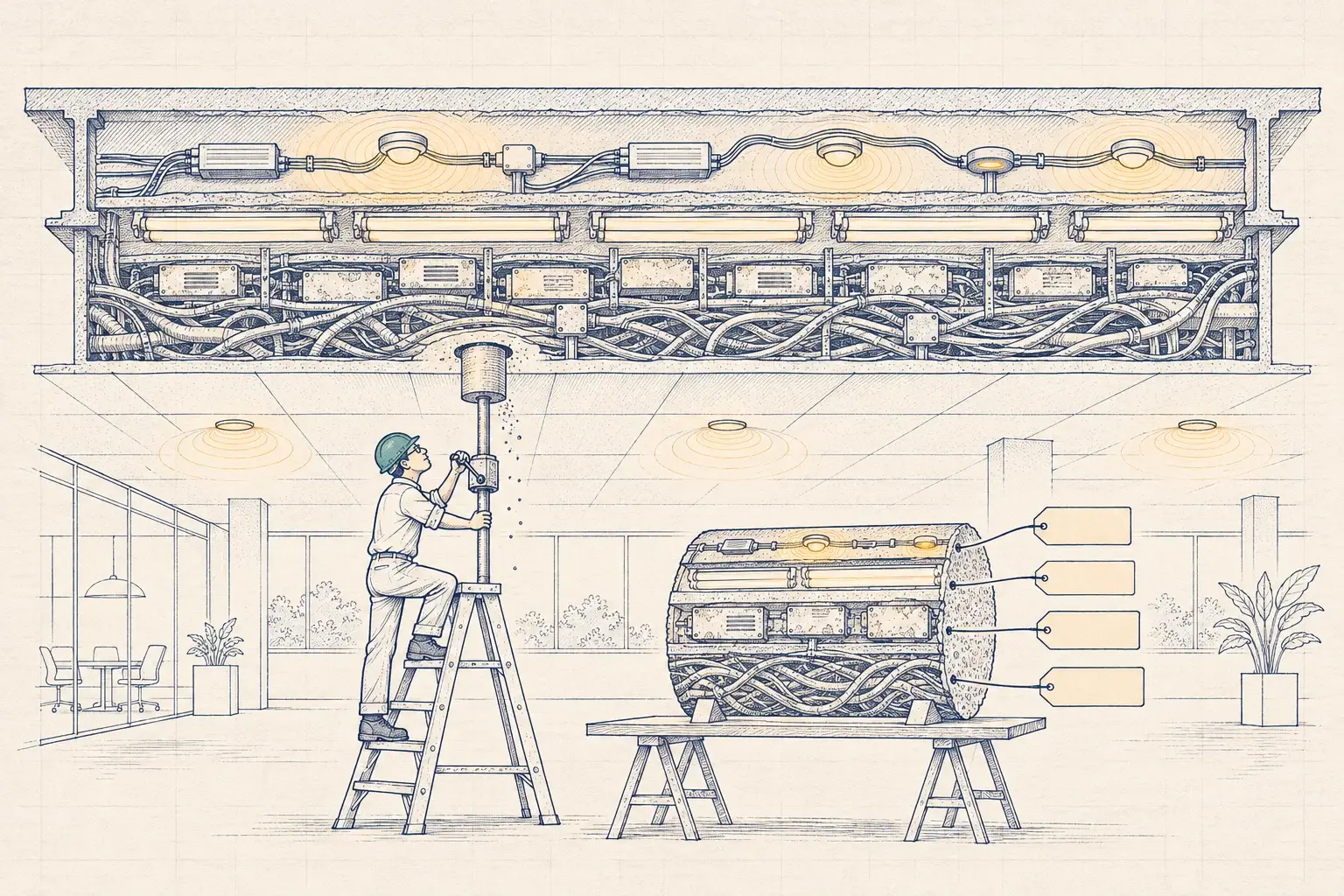
Find out what is in the ceiling and what it costs you, then design a system that more than one manufacturer can bid. Baseline Assessment, vendor-agnostic controls design, energy code compliance, and human-centric and daylight design.

Sheets E-05 to E-08

Deploy & Commission

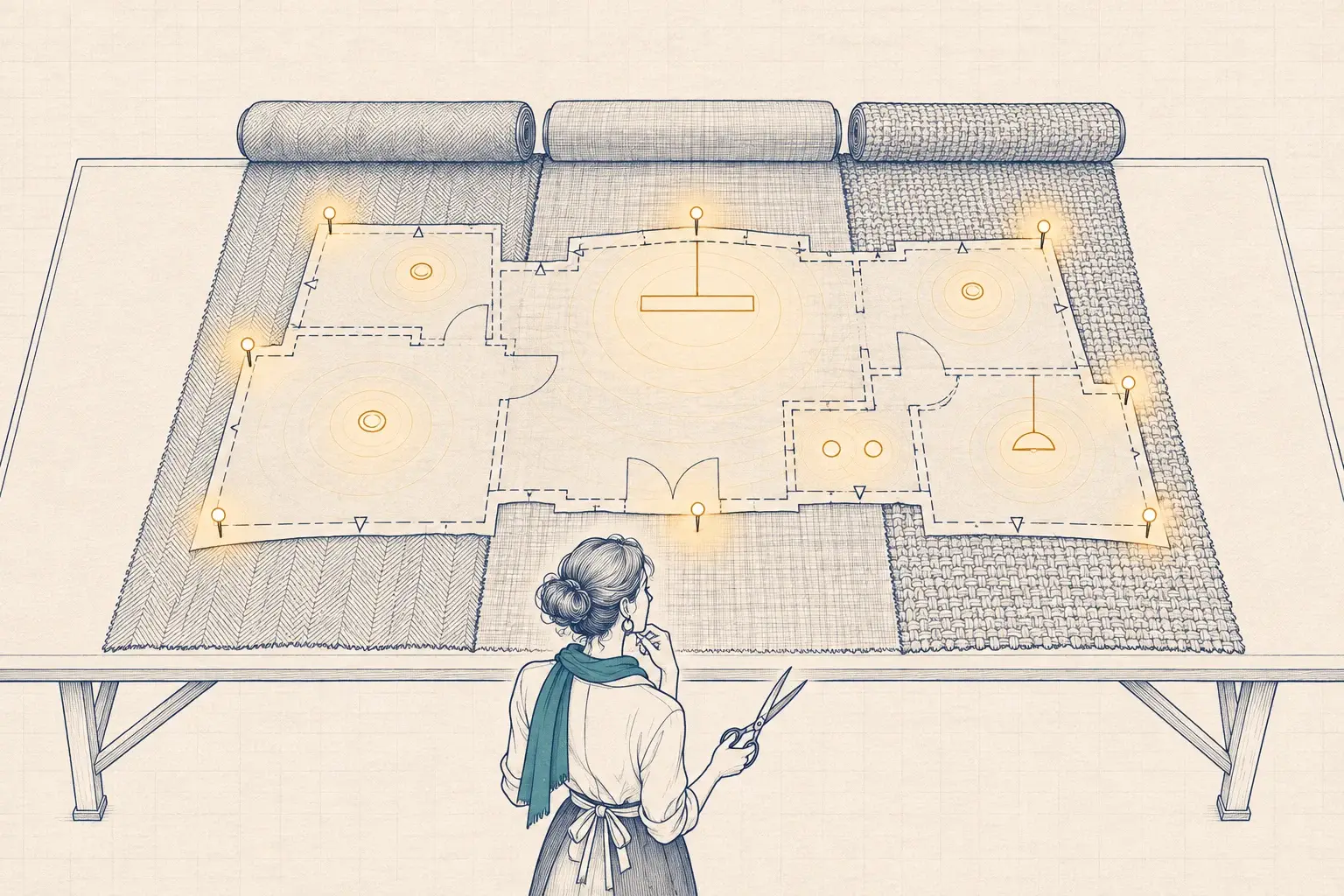
Get controls into occupied buildings without shutting them down, and prove they behave as designed. Wireless retrofits and luminaire-level control, multi-brand commissioning, rescue of orphaned platforms, and PoE pilots.

Sheets E-09 to E-12

Connect & Integrate

Make lighting a data source for the rest of the building. Occupancy to HVAC over BACnet, IoT sensors over MQTT, space utilization, and a lighting network your IT team will sign off on.

Sheets E-13 to E-16

Operate & Finance

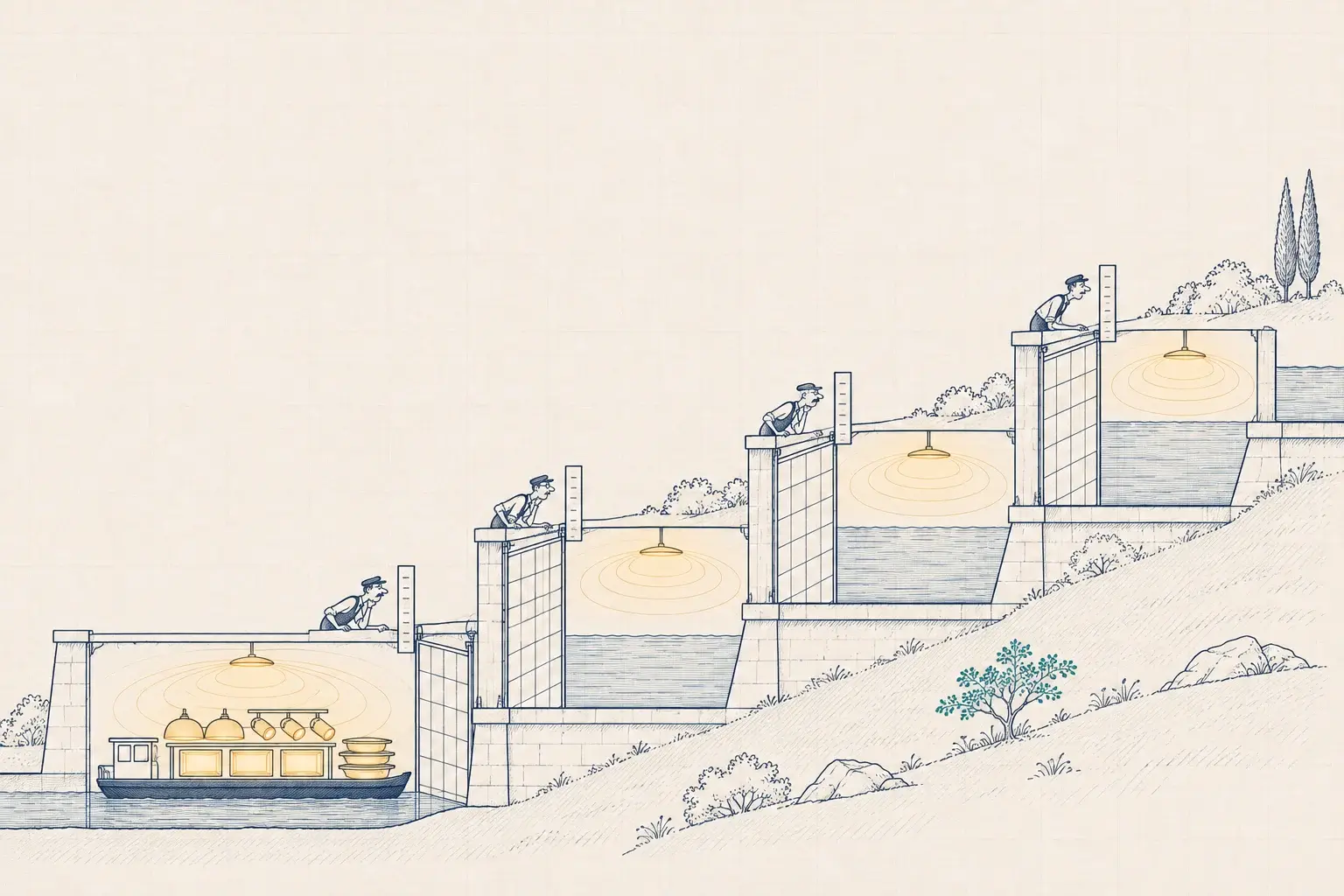
Keep the savings from leaking away, and pay for the upgrade in a way that suits your balance sheet. Energy analytics and M&V in Lytbit Ledger, Watch, Tune and Steward support, incentive applications, and Lighting-as-a-Service.

How engagements work

We publish how we scope and bill, not price lists. Every engagement starts with a written scope and a fee basis you can check before work begins.

Engagement modelWhat it coversHow it's scoped and billed
Baseline AssessmentSite survey, fixture and circuit inventory, sample functional test, utility bill analysis, incentive eligibility screen, and a prioritized roadmapFixed fee set by floor area, number of buildings and space types. The fee is credited toward the project if you go ahead with us
Design packageZoning, sequences of operation, vendor-neutral specifications, and network designFixed fee per space type (open office, classroom, high-bay, parking and so on), so a repeated room is designed once
Turnkey projectDesign, equipment, installation by electrical contractors under our coordination, commissioning, and handover under one contractFixed project price set after the assessment and design, with a written process for handling site surprises
Startup and commissioningDevice addressing, functional testing, trim, configuration report, and owner trainingFixed fee per building, scoped from the device count and the number of distinct sequences
Watch, Tune or Steward supportRemote monitoring and fault response, seasonal re-tuning, annual re-commissioning, and firmware management, depending on tierAnnual agreement per site. Tiers differ by response time and scope: next business day, 8 business hours, or 4 hours for critical faults
Lytbit Ledger subscriptionFixture- and zone-level energy, M&V, fault alerts, occupancy, demand response, and report modulesAnnual subscription scaled by monitored floor area and the modules you turn on
Lighting-as-a-ServiceFixtures, controls, commissioning, monitoring, and maintenance with no upfront capitalFixed monthly fee over a set term, arranged through financing partners. Your accountant should review how ASC 842 treats the contract

Start with the problem, not the service name

Most owners don’t arrive asking for “controls design.” They arrive with a symptom. Here is where each common one usually leads:

What every engagement has in common

No product line to defend. Our designs specify performance and open interfaces, and our commissioning tests sequences rather than brands.

Bench before ceiling. Device combinations that are new to us are wired up in the Lytbit Lab and tested before they are installed in your building.

The paperwork is a deliverable. Sequence Books, configuration reports and test logs are part of the scope, not an afterthought, and they are written for the next technician as much as for us.

You own the data. Everything we produce lives in your Lytbit Ledger workspace, hosted in the US, with export to CSV, API and MQTT.

The six steps behind every service, from survey to operation, are laid out on our approach page.

FAQ

Questions we hear often

Still unsure? Write to sales@lytbit.com and a person will answer within one business day.

Do we have to use all four pillars?

No. Most clients start with one service, often a Baseline Assessment or commissioning of a system that already exists, and decide on the next step from what we find. Every deliverable is written so that another firm could pick it up.

Which manufacturers do you work with?

We are not a manufacturer's rep or dealer, so we have no line to protect. We design to open interfaces such as DALI-2, 0-10V, Bluetooth Mesh NLC profiles and BACnet, write specifications that several manufacturers can bid, and bench-test new combinations in the Lytbit Lab before they go in a ceiling.

Where do you work?

On site across Mississippi, Memphis and West Tennessee, and North Alabama, from our office in Tupelo. Design, monitoring and Lytbit Ledger work remotely anywhere in the US. See our service area.

How do we get a price?

Send building details through Start a project or email sales@lytbit.com. A person replies within one business day. For most existing buildings the first fixed-fee step is a Baseline Assessment, and its fee is credited toward the project if you proceed.

Not sure which service you need?

Tell us about the building and what's bothering you. A person will reply within one business day with the first step we'd suggest.