The decision: retrofit controls, or replace everything
Many buildings in our region already went through an LED conversion. The fixtures are efficient, but they run at full output from the first shift to the last cleaning crew, in empty aisles and in daylit offices alike. The next step is controls, and the question is whether you can add them to what you have or need to start over. Most of the time, you can add them.
Why wireless and LLLC changed retrofits
A decade ago, networked controls in an existing building meant new low-voltage wiring to every sensor and switch, open ceilings and weeks of disruption. Two changes made retrofits practical:
- Wireless mesh. Sensors, controllers and switches talk over a radio mesh, so the only wiring is at the fixture.
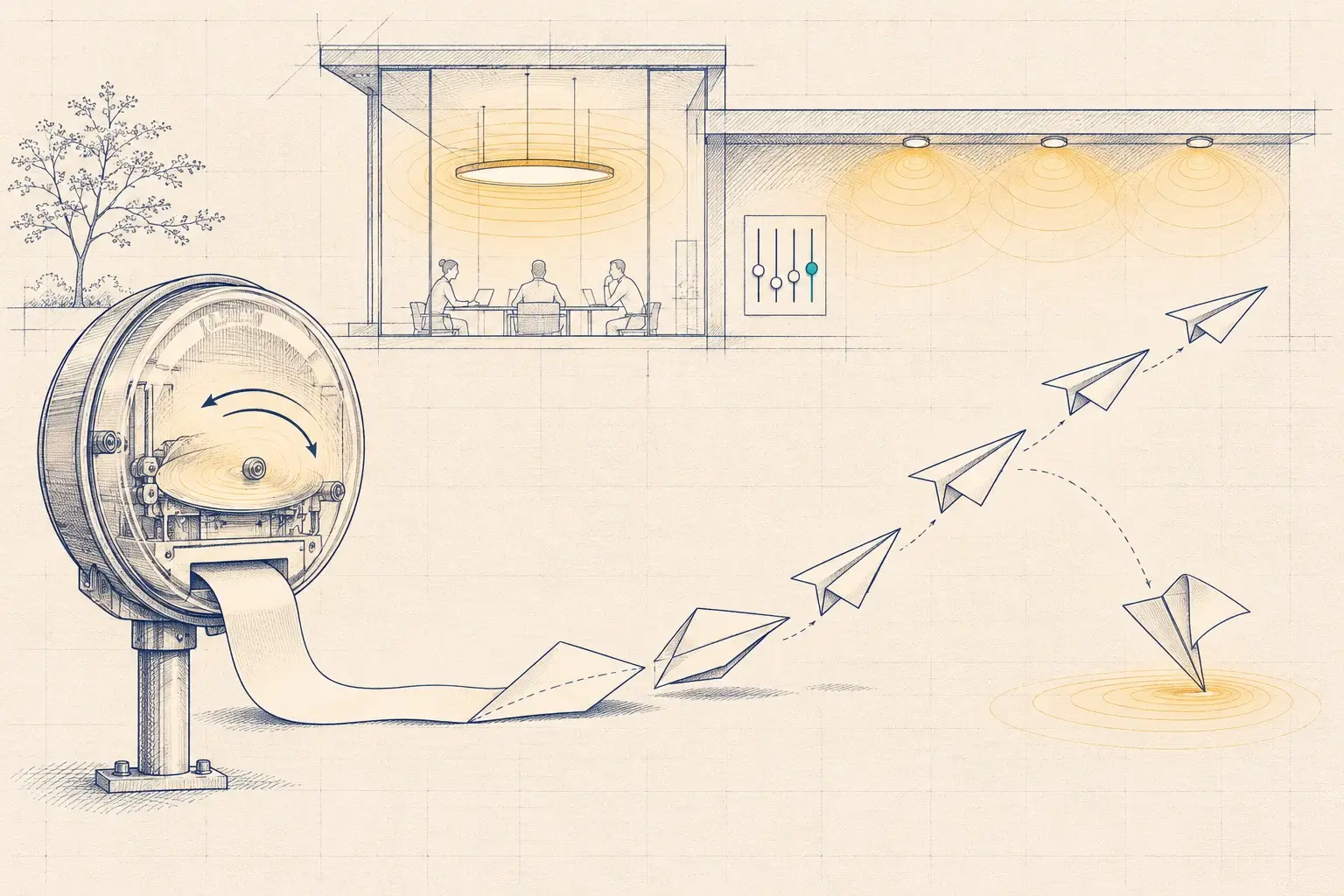
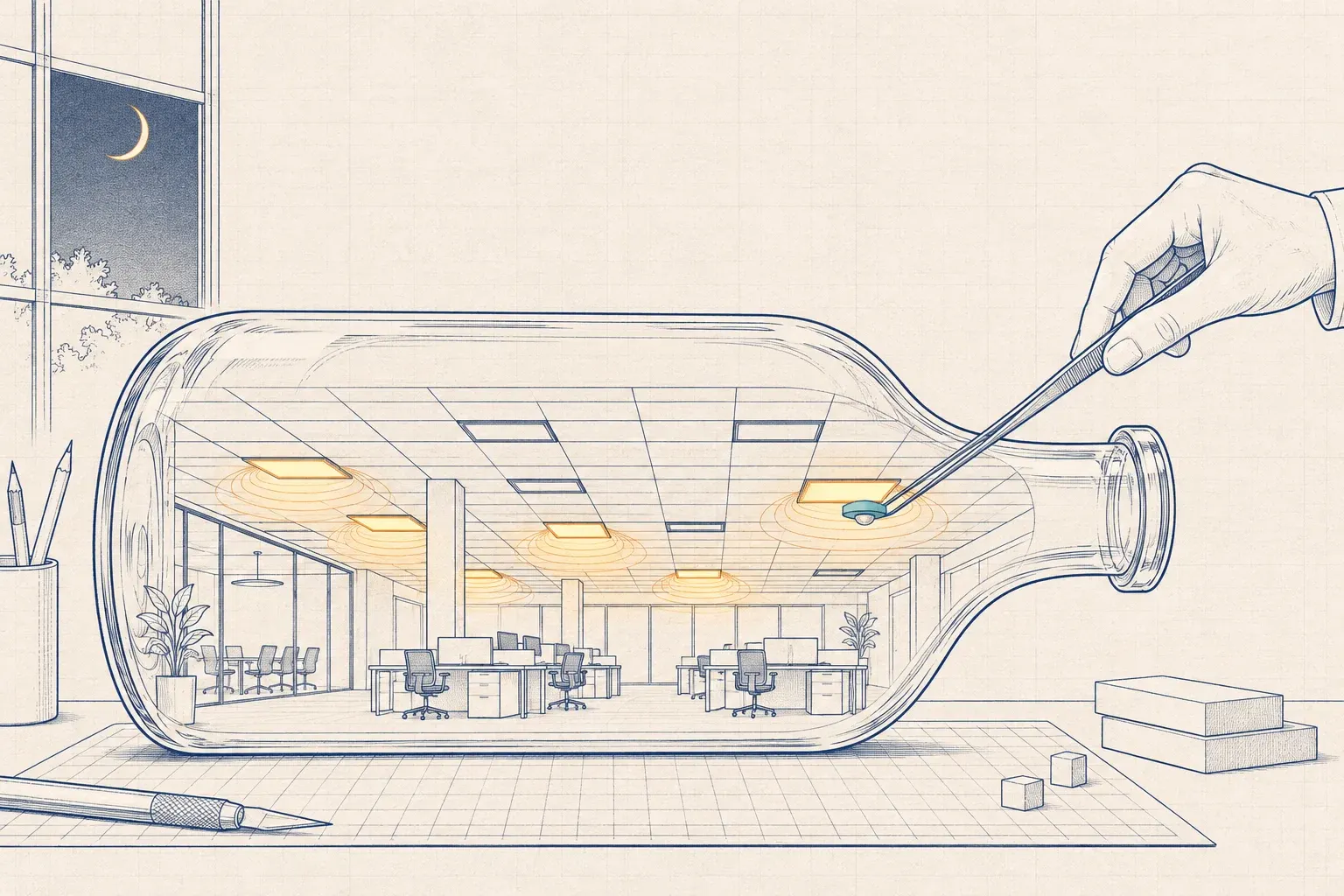
- Luminaire-level lighting control (LLLC). A sensor and controller sit in or on every fixture. Each fixture responds to its own occupancy and daylight, and reports its own energy.
DLC estimates average savings of about 49% for networked controls and 63% for networked controls with LLLC. Those are DLC’s estimates across many projects. Your result depends on hours, occupancy patterns and what is installed today.
Four retrofit paths
Which path fits depends on what is in the ceiling now.
| What you have | Path we usually recommend | What to watch |
|---|---|---|
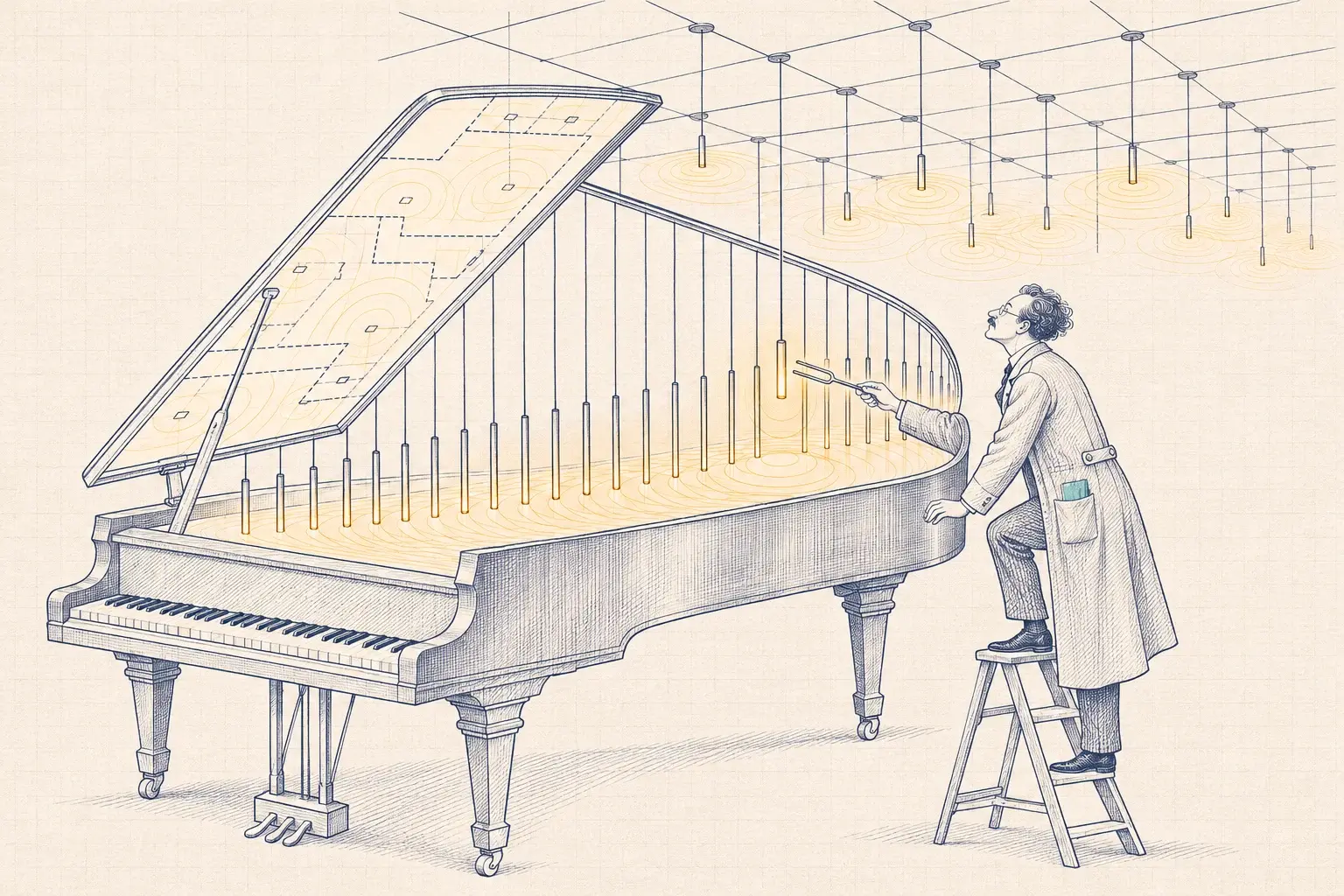
| Dimmable LED fixtures with life left | Add sensor and controller modules to each fixture (LLLC) | Driver compatibility, checked on the bench first |
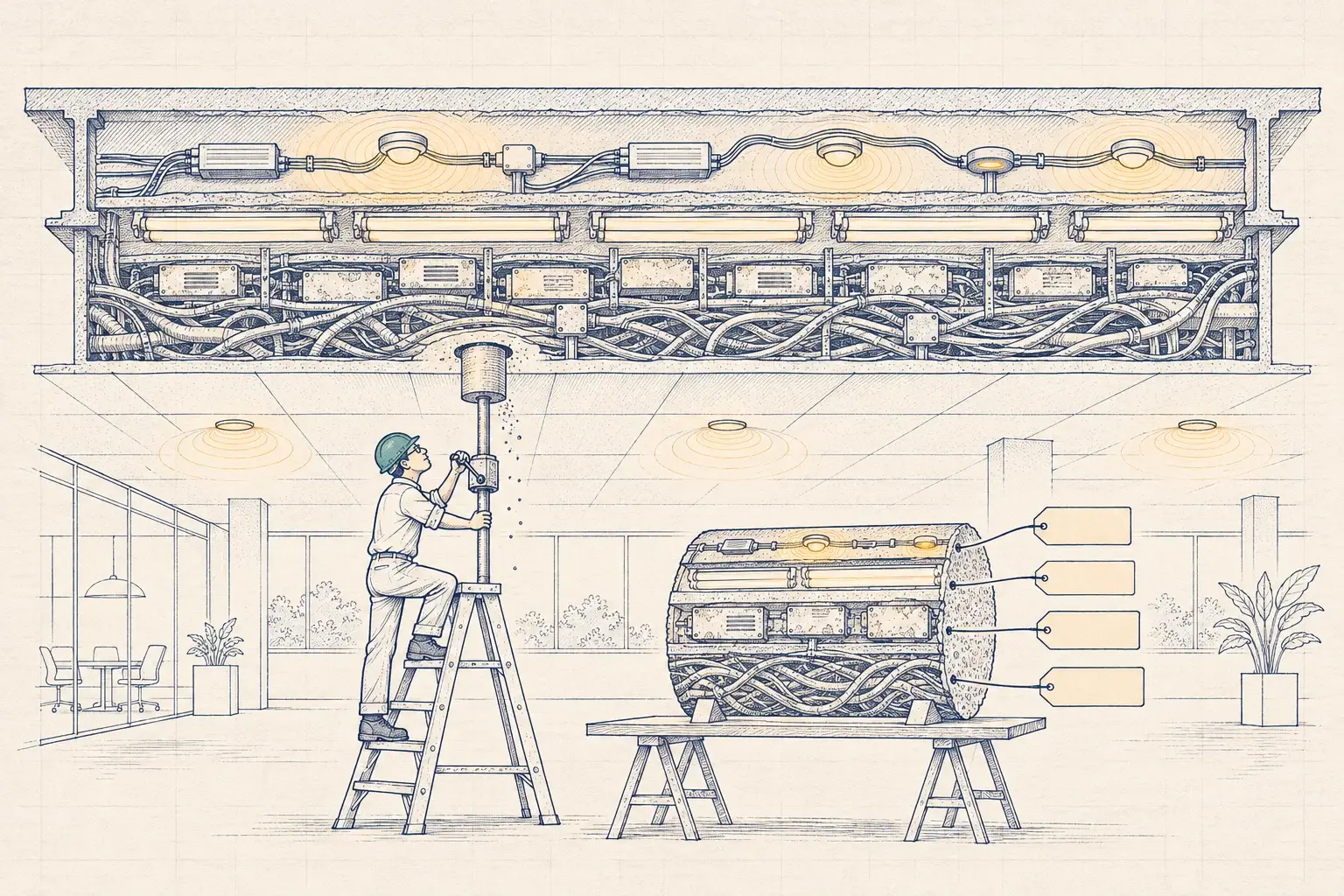
| Non-dimming LED fixtures | Compare a driver swap with new fixtures that have integrated controls | Driver swaps are labor-heavy; new fixtures may win on total cost |
| Fluorescent or HID fixtures | New LED fixtures with integrated LLLC | Some fluorescent-replacement incentives are ending; check program rules |
| Exterior poles, canopies and wall packs | Controllers on ANSI C136.41 dimming receptacles, or integrated sensors | Security camera light needs and after-hours activity |
LED-to-LED replacement incentives have been rising, and many programs now reward networked and luminaire-level controls specifically. That can change which path makes sense, so we check incentives before choosing.
Warehouses and high-bay
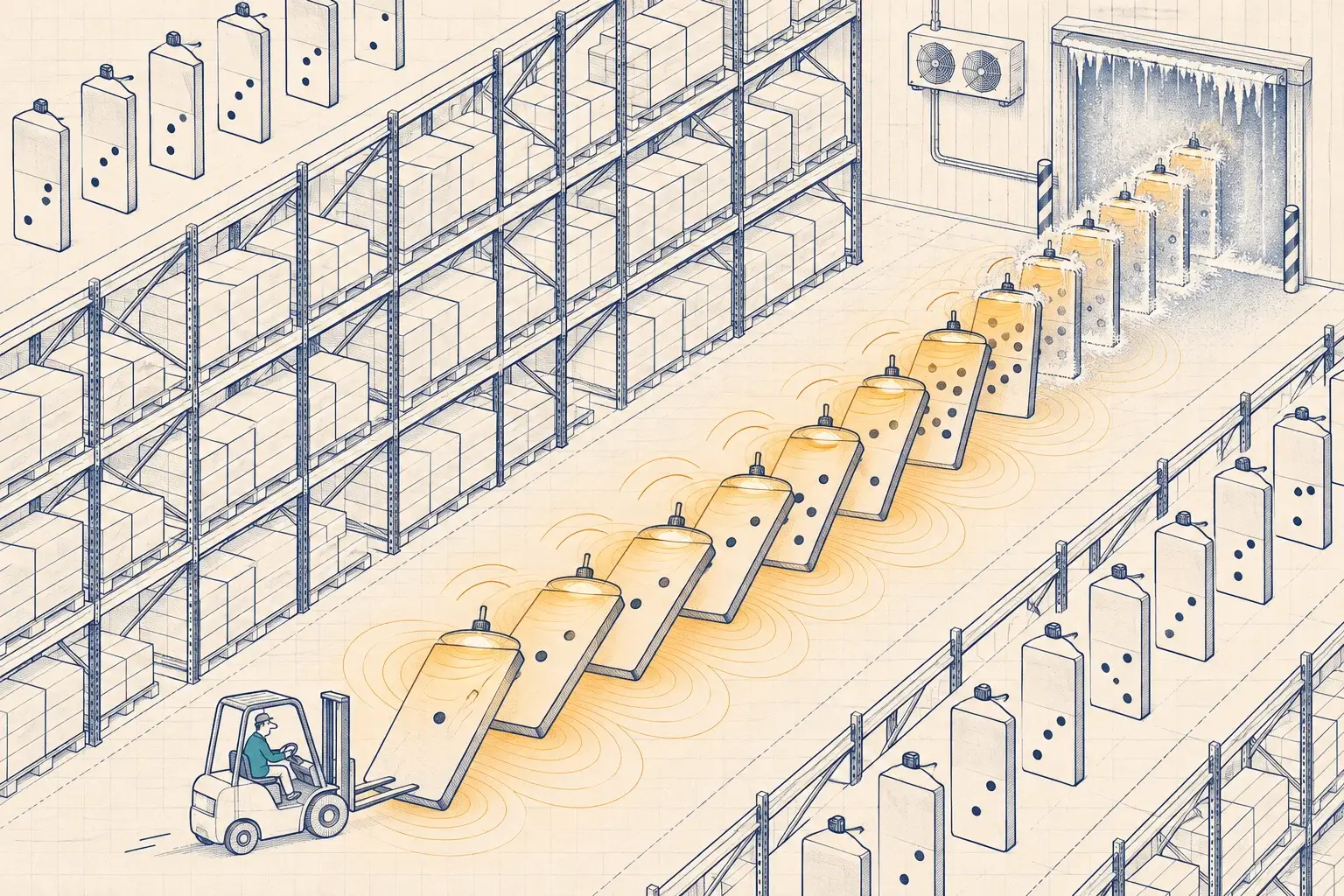
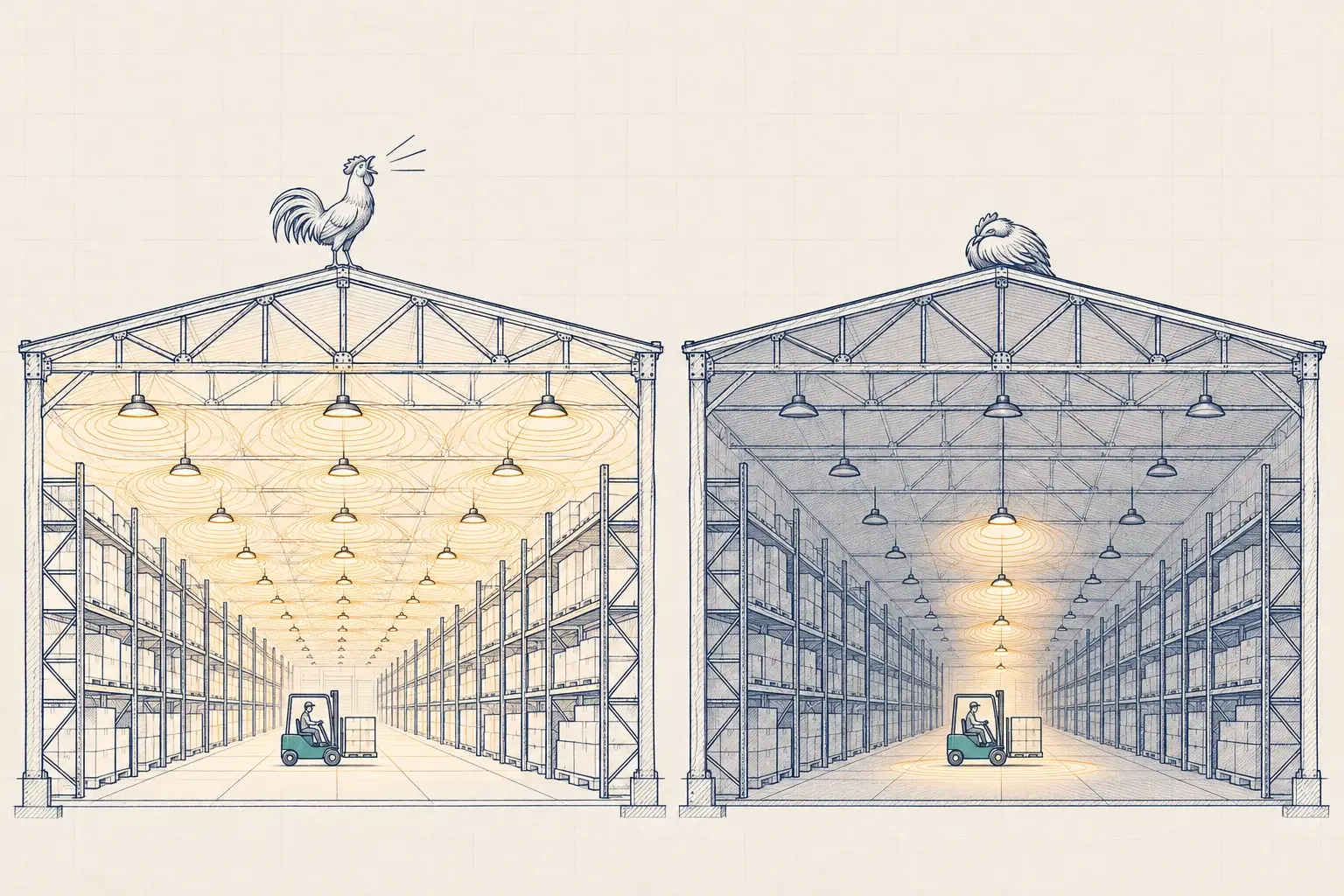
Warehouses are where luminaire-level control pays off fastest: long hours, sparse and moving occupancy, and fixtures that can drop to a low level in an empty aisle and return to full output before a forklift arrives. The risks are coverage and sensor placement. Metal racking blocks radio and sensor views, and a sensor aimed down the wrong aisle makes the system look broken. We survey coverage, pilot a section of aisles and adjust sensor settings before rolling out. See the representative distribution center scenario.
Exterior and parking
Exterior lighting often runs dusk to dawn at full output over lots that are empty from midnight. Motion-based dimming with an after-hours setback keeps lots safe and visible while cutting hours at full output. We coordinate the low levels with whoever owns security cameras, because cameras need enough light to be useful.
Working in an occupied building
Most of our retrofit work happens when the building is quiet: at night in offices and banks, between shifts or during planned shutdowns in plants, and under infection-control procedures in healthcare. Each phase is installed, tested against the sequence and cleaned up before people return, and your facility lead gets a short note each morning on what changed.
Pre-approval comes first
Utility incentives can be lost by starting too early. TVA EnergyRight, for example, requires pre-approval before work starts. We prepare the application and coordinate with your local power company and program staff before equipment is ordered. Our incentive management service handles the paperwork through to payment.