Paying for light instead of fixtures
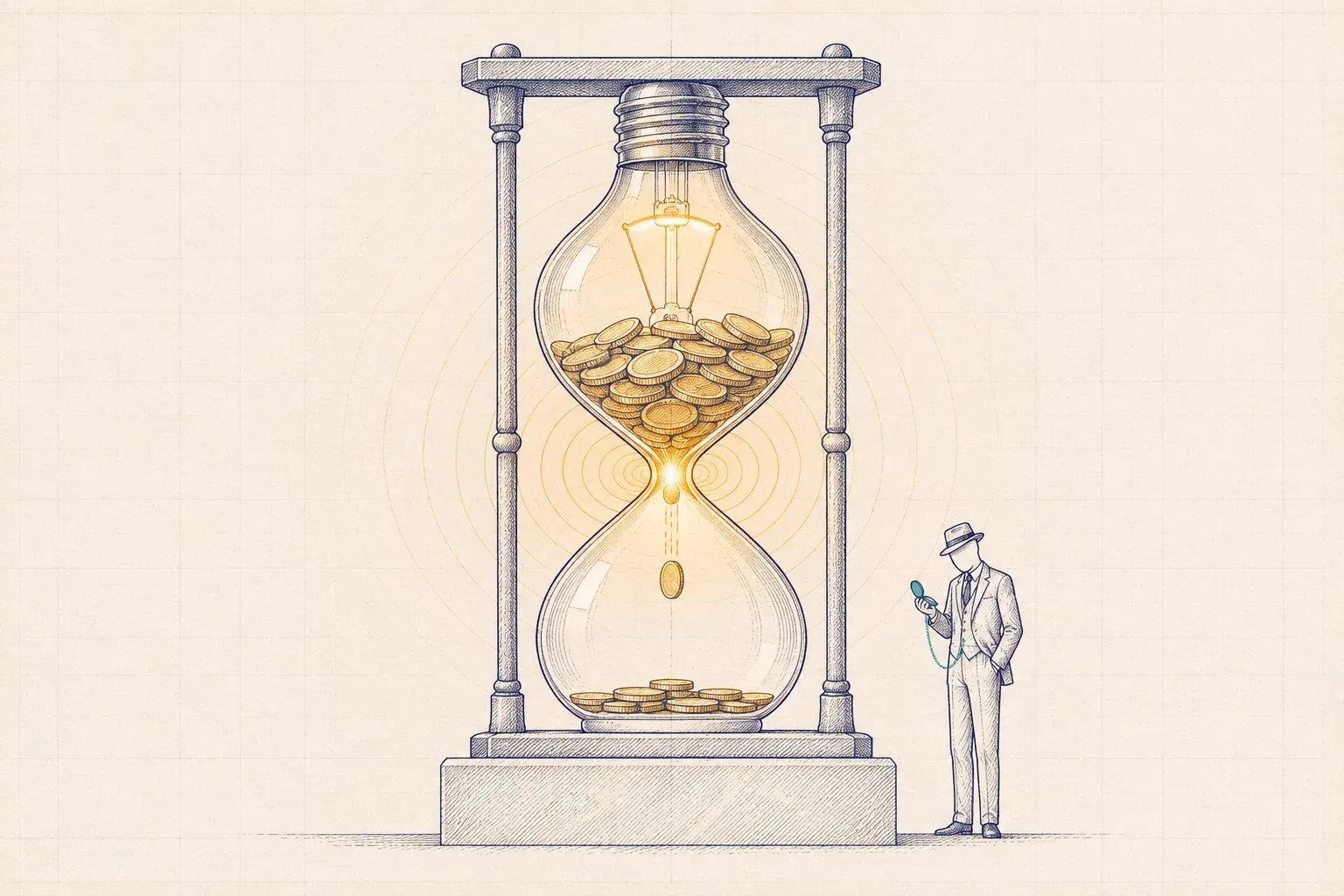
Under a Lighting-as-a-Service (LaaS) agreement, a financing partner pays for new lighting and controls, and you pay a fixed monthly fee over an agreed term. The fee covers the equipment, installation, maintenance and monitored performance. You make no capital request and take on no repair risk.
That’s a real advantage for some owners and an expensive convenience for others. So the question is whether a service agreement beats buying outright for your building, and if it does, what to check before you sign.
How it works with us
We stay the engineer. A financed project gets the same controls design, Lab bench testing, oversight and commissioning as a purchased one, because the economics depend on the system performing for years. We structure the project with independent financing partners, who fund the equipment and set the agreement terms. Lytbit monitors performance on Lytbit Ledger and maintains the system through the term.
Service, loan or cash, side by side
| Question | Buy outright | Loan or equipment lease | Lighting-as-a-Service |
|---|---|---|---|
| Upfront capital | Full project cost, less incentives | Little or none | None |
| Monthly cost | None | Payment for the equipment | Fixed fee covering equipment, maintenance and monitoring |
| Who owns the equipment | You | You, or the lessor until the end | Usually the financing partner during the term |
| Who carries repair risk | You | You | The provider, as defined in the agreement |
| Performance reporting | If you pay for it | If you pay for it | Included |
| Who receives incentives | You | You | Set by the agreement; often reduces the fee |
| Total cost over the term | Usually lowest | In between | Usually highest, because services and risk are included |
Ownership and the end of the term
During the term, the financing partner usually owns the equipment. At the end, agreements typically offer three paths: buy the equipment, extend or renew the service, or have it removed. The buyout price, and how it’s calculated, is the most important term in the agreement. Read it before you look at the monthly fee.
The ASC 842 question
Finance teams sometimes choose LaaS expecting to keep the equipment off the balance sheet. Under ASC 842, that isn’t automatic. A contract contains a lease if it conveys the right to control the use of an identified asset for a period of time. Fixtures bolted into your ceiling and dedicated to your building can look a lot like an identified asset, so some service agreements will be treated as leases, with a right-of-use asset and a lease liability. Others, written differently, may not be. That’s your accountant’s call, not ours. We’ll give them the agreement structure and equipment details they need to make it.
When buying outright is better
We’ll tell you when a service agreement doesn’t make sense. Buying usually wins when:
- you have capital available and a low cost of capital;
- you’ll own and occupy the building well beyond the payback period;
- incentives cover a large share of the cost, leaving a small amount to finance;
- your facility staff can handle routine maintenance, with a support plan for the rest;
- the project is simple, such as an LED-to-LED retrofit with standalone controls.
LaaS tends to win when capital is constrained, when you want maintenance and performance to be contractual obligations, or when you lease your space and don’t want to own fixed equipment in someone else’s ceiling.
How incentives stack
Utility incentives still apply to a financed project, and the same rules hold: pre-approval before work starts, qualifying DLC QPL products and complete closeout documentation. We prepare the applications through our incentive management service, and the agreement states who receives the incentive. In most structures it reduces the financed amount, which lowers the monthly fee or shortens the term. Settle that in writing before the application goes in.