The decision: when to move, and how much to keep
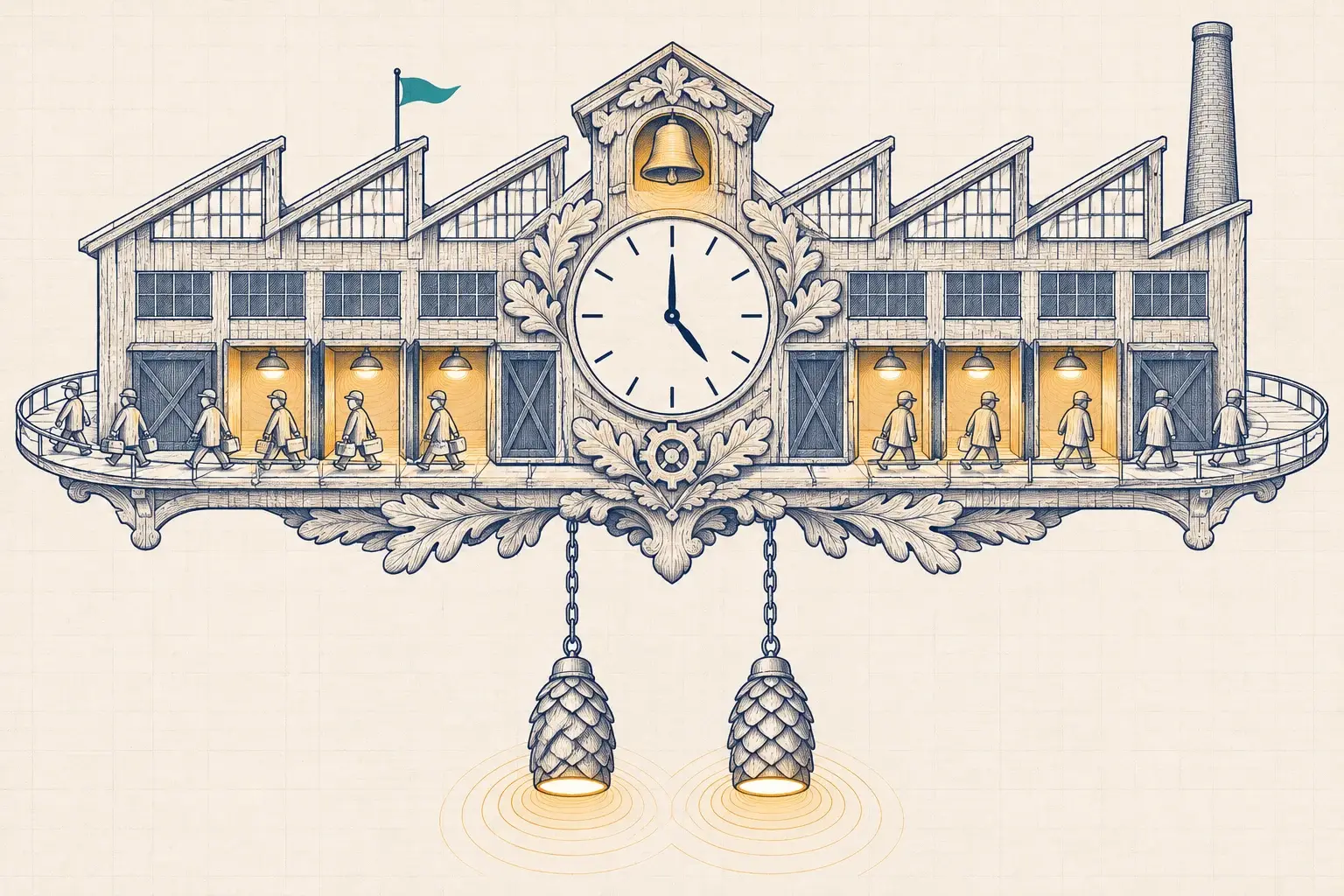
If your lighting control platform has been discontinued, the system in your ceiling probably still works. Lights turn on, sensors respond, schedules run. The risk is not today. It is the first time a gateway dies and there is no replacement, the server that runs the head-end won’t boot, or the only person with the admin password leaves.
There are two decisions to make: when to start moving, and how much of the existing system to keep. The usual answers are “before the first unrecoverable failure” and “more than you’d expect.”
Why platforms get orphaned
Lighting controls are a changing market. Manufacturers consolidate product lines, move to new platforms and occasionally leave the business. In recent years several well-known platforms have been discontinued or wound down. Enlighted, owned by Siemens, halted its lighting-controls business in 2025. Cooper Lighting Solutions ended new sales of Fifth Light on August 31, 2026 and points customers to a successor platform.
None of this means those systems were poor choices when they went in. It means every installed system eventually needs a plan for its next decade, and that plan is easier to make calmly than during an outage.
The order of operations
- Stabilize. Back up databases and configuration files, document every credential, and buy spares for anything with no replacement path.
- Inventory. Record what is installed, where, at what firmware and software version, and what depends on it.
- Export settings. Schedules, zones, scenes and sensor settings are the real value in an old system. We extract them while the head-end still runs and translate them into a Sequence Book that any platform can implement.
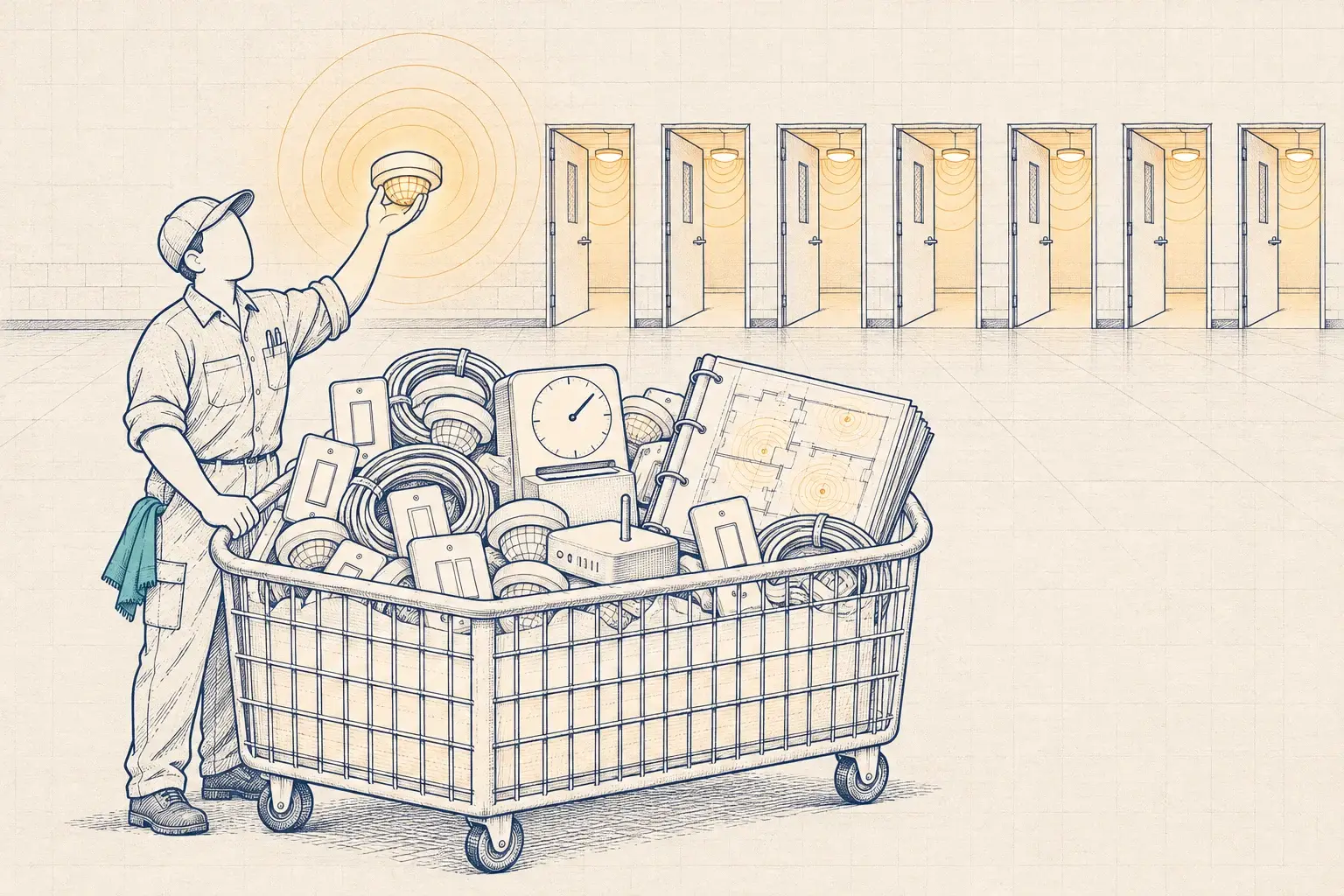
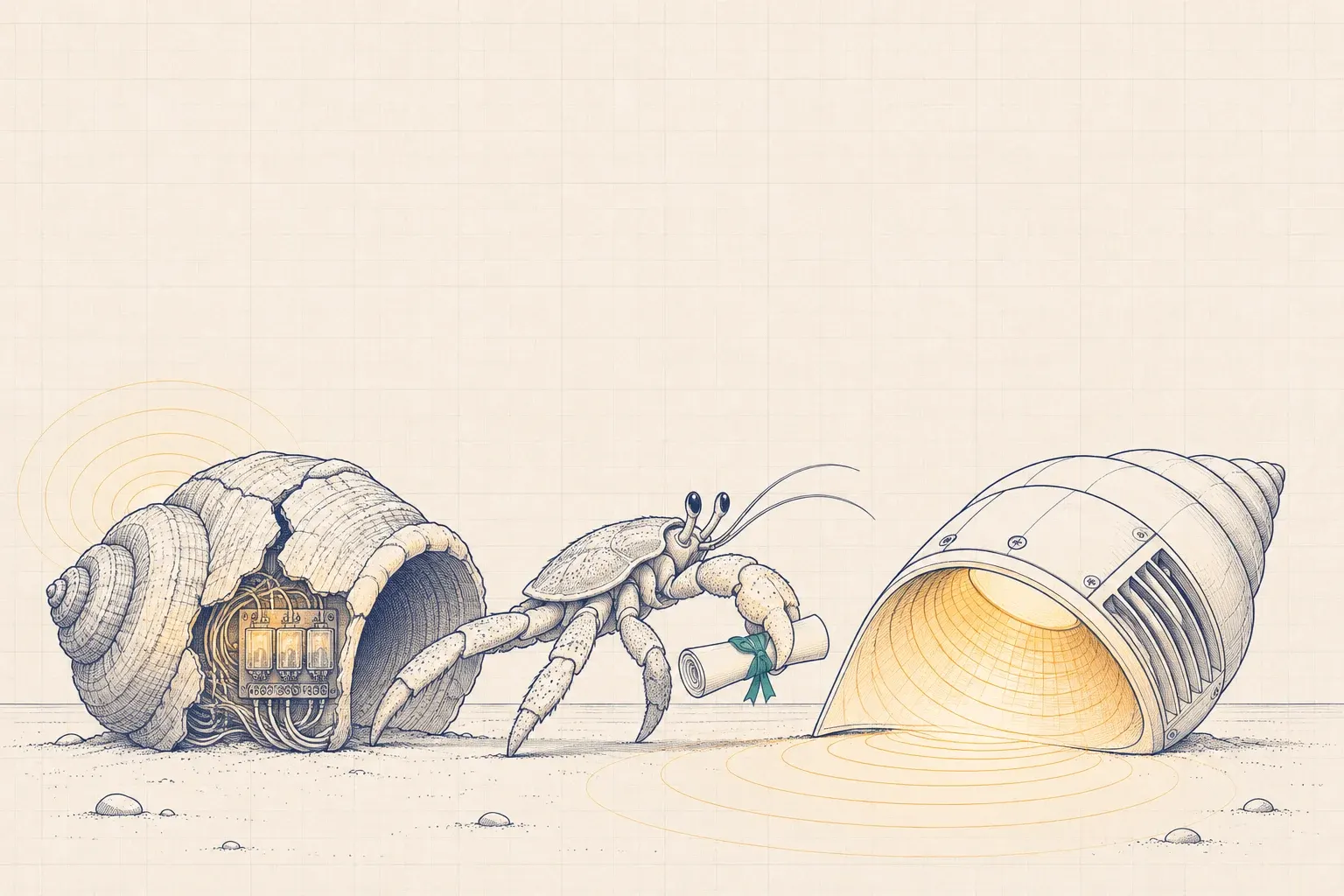
- Keep what works. Test wiring, panels, drivers and fixtures for reuse.
- Bridge. Connect old and new so both can run during the transition.
- Migrate in phases. Move the most exposed areas first and commission each phase before the next begins.
What usually stays, and what usually goes
Every system is different, but this pattern holds often enough to plan around.
| Component | Usually | Why |
|---|---|---|
| Line-voltage wiring and circuits | Stays | Platform-independent, and the most expensive part to replace |
| Fixtures and LED drivers | Stays if dimmable and healthy | 0-10V and DALI drivers can be driven by most new controllers |
| Relay panels | Often stays | New controllers can drive relays through dry contacts or BACnet |
| Switch stations | Depends | Proprietary stations usually go; some can be wired to universal inputs |
| Sensors | Usually replaced | Most communicate in the old platform’s own protocol |
| Head-end software and server | Replaced | The core of the support problem |
| Gateways | Temporary | Bridge the transition, then retire |
Choosing the destination
We compare destination platforms on four questions. Does it reuse your existing hardware? Is it built on open interfaces such as DALI-2, BACnet/IP or BACnet/SC, and open data export? Is it actively supported, with a published firmware policy? Can more than one firm service it? The manufacturer’s own recommended successor goes into that comparison on equal terms. Sometimes it wins.
Candidate platforms are tested together with your reused components on the Lytbit Lab bench before we recommend one.
Bridging in the meantime
Few owners can migrate a whole building at once. Gateways and BACnet or dry-contact interfaces let the legacy system and the new platform share schedules, overrides and occupancy, and let your building automation system see both. Each phase is commissioned before the next begins, and the bridge comes out when the last area moves.
For the full playbook, read When your controls vendor exits.