Why an owner should care about a technical specification
Most building owners will never read the DesignLights Consortium’s technical requirements, and they shouldn’t have to. But those requirements quietly decide two things you do care about: which networked lighting control systems make it onto the DLC Qualified Products List (QPL), and therefore which systems many utility programs will pay incentives on.
NLC 5.2 is the latest revision. It took effect in August 2026. If you are planning a controls upgrade in Mississippi, West Tennessee or North Alabama, it affects which products your contractor should propose, what documentation you should expect at closeout, and how your lighting can work with your HVAC. This guide was updated after the effective date.
What DLC NLC is, and what it isn’t
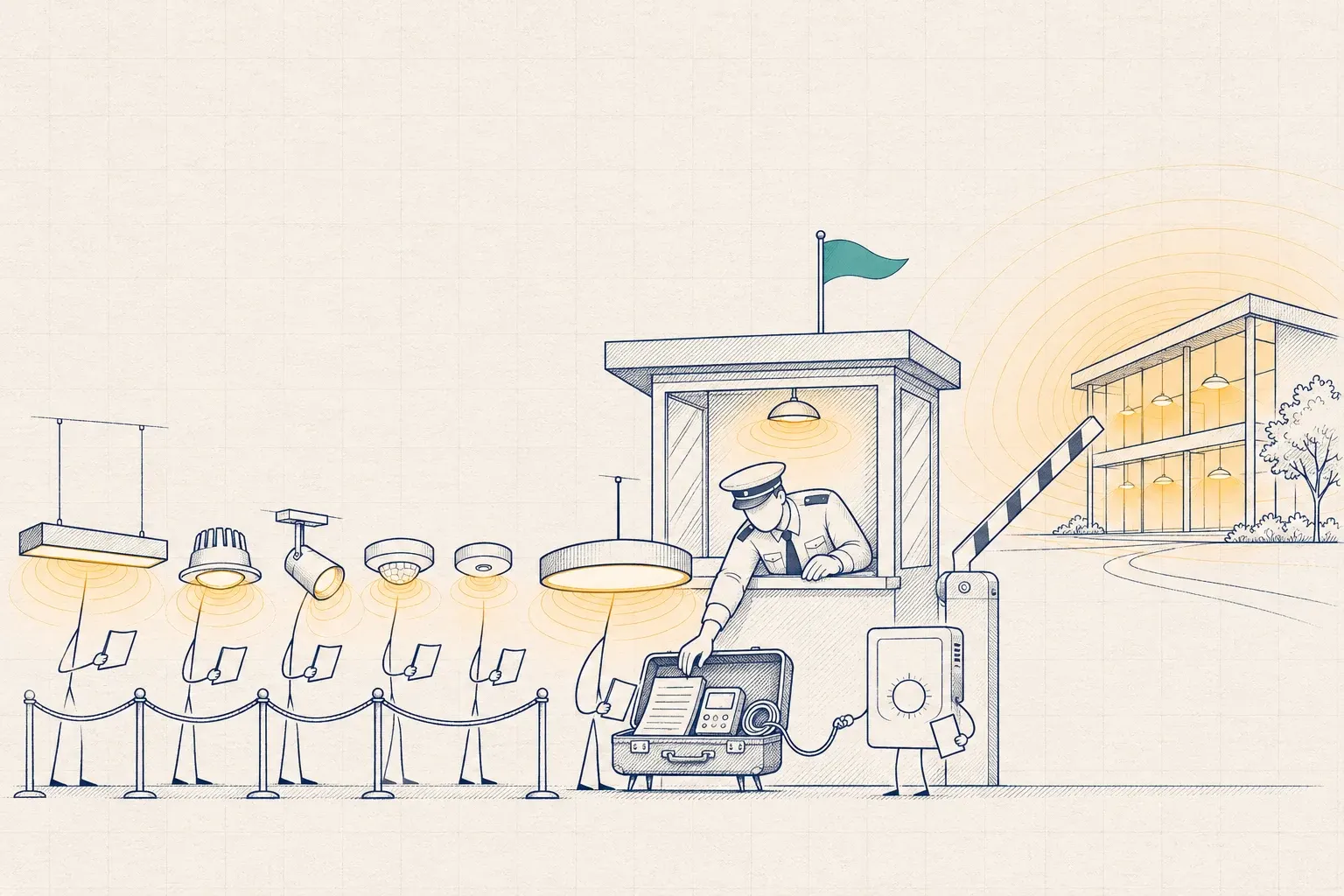
DLC’s networked lighting controls (NLC) program sets a baseline that a control system has to meet to be listed. That baseline covers a set of control capabilities, including occupancy sensing, daylight response, high-end trim, zoning and continuous dimming, plus networking and, since NLC5, cybersecurity. Systems that meet it go on the QPL. Many utility programs then use the QPL as a shortcut for eligibility.
It is useful to be clear about what a listing does not mean:
- It is not an energy code. Your code requirements come from the authority having jurisdiction, and they are separate.
- It is not a design. A listed system can still be zoned badly, with sensors behind racking and daylight zones nobody configured.
- It is not a guarantee of savings. DLC estimates average savings of about 49% for NLC and 63% for NLC with luminaire-level lighting control (LLLC), but averages describe programs, not your building.
- It is not proof that a capability is turned on. A system can be listed for energy monitoring and installed with monitoring never configured.
What changed in 5.2
Here is the short version, with what each change means in practice.
| Area | What NLC 5.2 says | What it means for you |
|---|---|---|
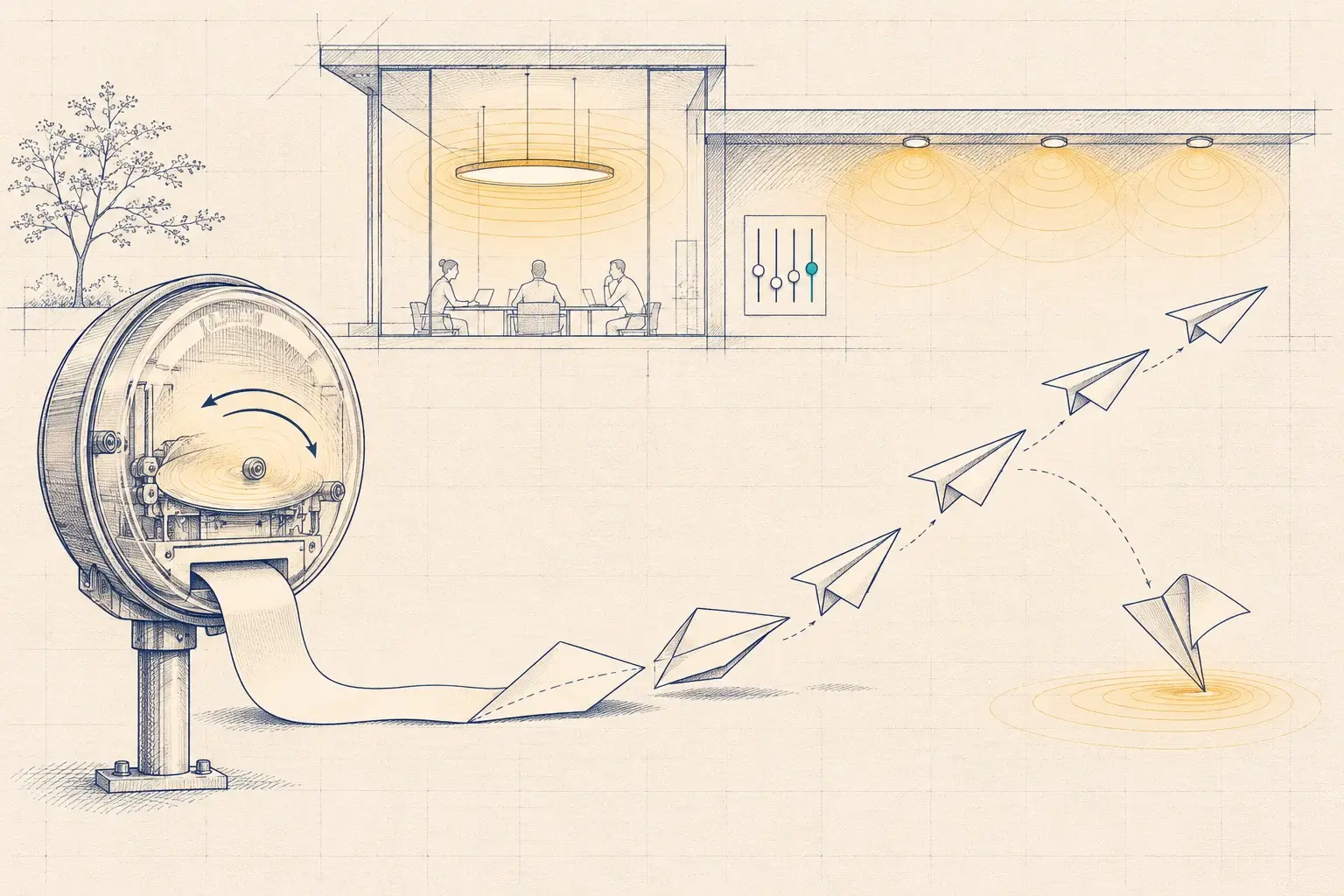
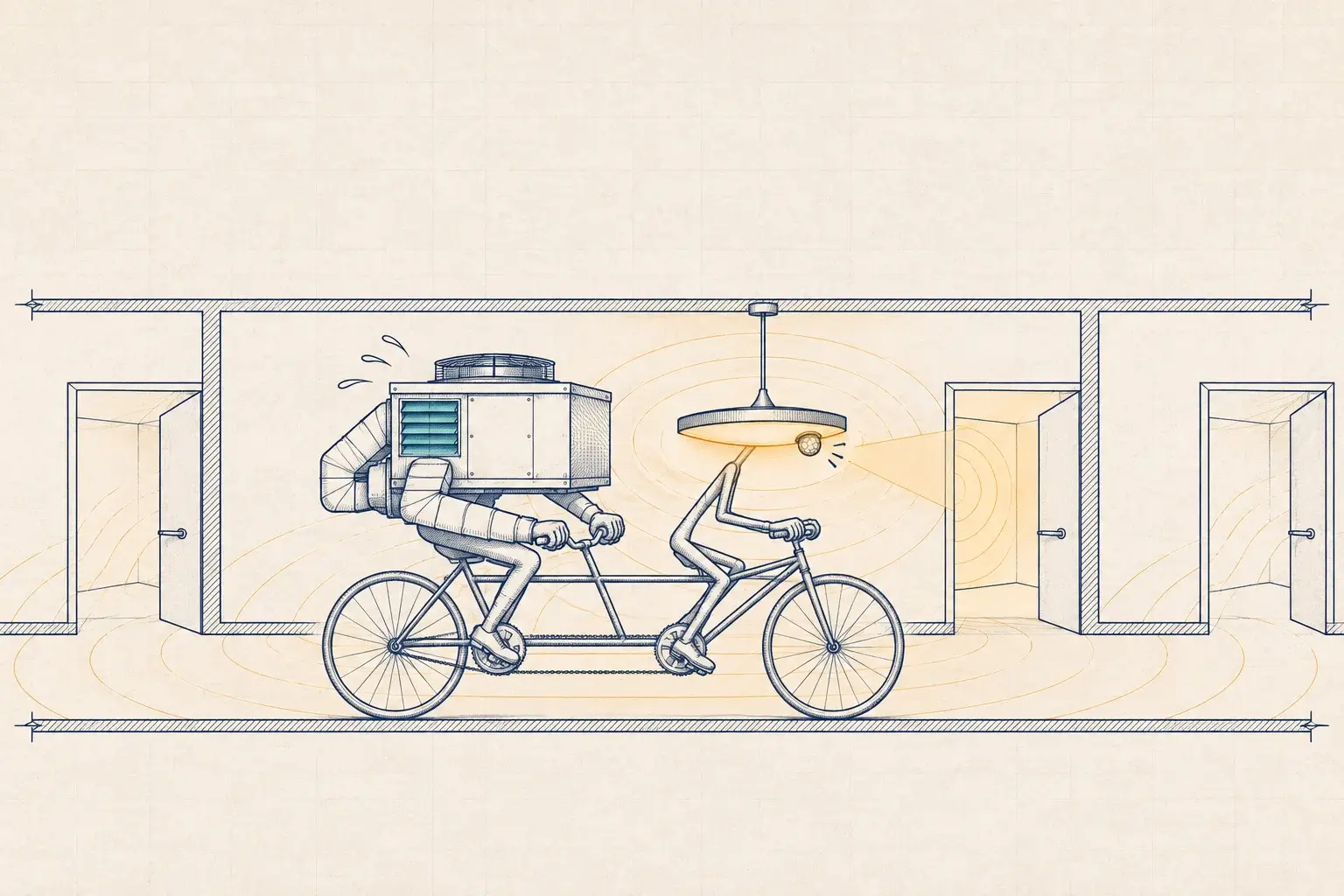
| HVAC integration | Adds smart-thermostat and HVAC integration, so lighting occupancy data can drive HVAC setback | Ask how occupancy leaves the lighting system and reaches your thermostats or BMS |
| Configuration reports | Adds configuration reports in ANSI/NEMA C137.9 format | Ask for a C137.9 report at closeout; you can read it without the vendor’s software |
| Horticulture | Adds horticulture lighting systems | Relevant to greenhouses and indoor growing operations |
| Energy monitoring | Required for indoor systems that are not room-based | Expect fixture- or zone-level energy data in larger open-area systems; confirm it is configured |
| Cybersecurity | Required since NLC5 (2022–23) and still applies | Ask for the documentation behind the listing and how firmware updates are delivered |
The HVAC piece is the big one
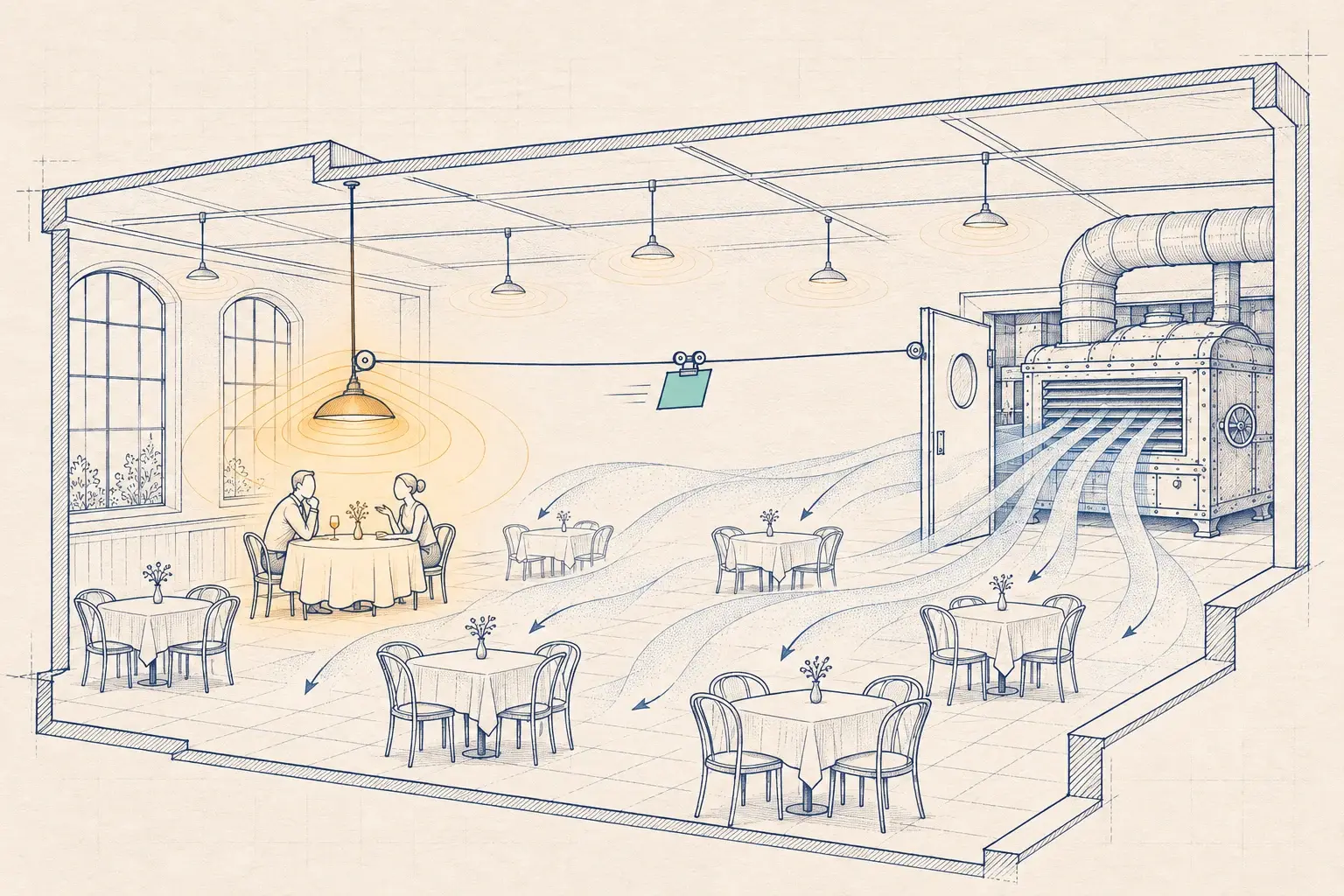
The most consequential change for owners in our region is HVAC integration. In most commercial buildings the densest occupancy network is already in the ceiling: lighting sensors in nearly every room, aisle and corridor. The HVAC system, meanwhile, usually runs on a schedule that assumes the building is full from open to close.
In a Mid-South climate, where cooling runs for most of the year, the gap between “scheduled occupied” and “actually occupied” is real money. Think of a school after the buses leave, a clinic with half its exam rooms idle in the afternoon, or a plant office wing that empties when first shift ends. NLC 5.2 recognizes that lighting can tell HVAC which spaces are empty, so the air side can relax setpoints within safe limits.
Recognizing it is not the same as doing it. Someone still has to map points, align lighting zones with HVAC zones, write sequences that respect ventilation and humidity limits, and test the handshake. That is the work our lighting and BMS integration service covers.
Configuration reports: the paperwork finally has a format
Every controls professional has inherited a system with no records: no zone map, no time delays, no trim levels, and a configuration that lives only on a laptop that left with the last technician. The C137.9 requirement doesn’t fix that alone, but it gives everyone a standard target.
For owners the practical step is simple: put “configuration report in ANSI/NEMA C137.9 format, plus a database backup” in the closeout requirements. Then check that what you received matches what was commissioned. A configuration report generated before functional testing documents intent, not reality. We pair the report with test logs in our commissioning work so the two agree.
What a QPL listing will not do for you
Owners tend to get caught by the same handful of gaps:
- Pre-approval missed. TVA EnergyRight requires pre-approval before work starts. Order the equipment first and you may lose the incentive, however qualified the product.
- Wrong configuration. Programs pay on what is installed and enabled. A listed system with its sensors set to “always on” may not meet program requirements.
- Version mismatch. Programs adopt new QPL versions on their own schedules. Confirm which version your program references for your application date.
- Missing documentation. Programs increasingly want proof: configuration reports, functional testing records and, where energy monitoring is claimed, actual data.
Utility programs in our area differ in structure. Entergy Mississippi runs Solutions for Business, including a small-business track. Mississippi Power’s Large C&I program lists networked lighting controls as eligible. TVA EnergyRight serves Tupelo Water & Light, MLGW in Memphis and the North Alabama distributors, and gives extra credit for networked controls. Industry trackers also report that controls incentives rose going into 2026. The details and rates change, so check current terms before you count on any number.
How 5.2 plays out in three common buildings
The same requirements land differently depending on the building. Three representative examples from our region:
A distribution center. Large open storage areas are exactly the “not room-based” indoor systems where energy monitoring is required. That is good news for the owner: fixture- or zone-level energy data makes measurement and verification far easier than metering whole panels. The thing to watch is whether monitoring is configured and stored somewhere you can reach, not just available in the product.
A school. HVAC integration matters most here. Classrooms, gyms and cafeterias sit empty for predictable stretches of the day, and lighting sensors already see that. The work is aligning lighting zones with the HVAC zones that serve them, and getting the district’s controls contractor and lighting contractor to agree on point names before anything is installed.
An outpatient clinic. Exam rooms and offices are room-based, so the emphasis shifts to configuration records. Clinics change layouts and staffing often, and a C137.9 report lets whoever adjusts the system next understand why each room behaves as it does. Ventilation and pressure requirements in clinical spaces also limit how far any HVAC setback can go, so the sequences need the mechanical engineer’s sign-off.
A checklist for your next vendor conversation
Ask these before you sign a purchase order:
- Is the exact system on the DLC QPL, including the head-end, gateways, sensors and luminaires being proposed?
- Which capabilities is it listed for? LLLC? Energy monitoring? HVAC integration?
- How does occupancy data reach HVAC: BACnet objects, a thermostat integration, an API?
- Will closeout include a C137.9 configuration report and a database backup?
- What cybersecurity documentation supports the listing, and how are firmware updates delivered and tested?
- Who owns the energy and occupancy data, and how is it exported?
- Has the utility program confirmed eligibility in writing, and is pre-approval in hand?
What we’d do
For a typical project in our region, we would treat NLC 5.2 as a floor, not a finish line.
- Start with the program. Confirm with your local power company or program staff which QPL version and which capabilities they require, and secure pre-approval before any equipment is ordered.
- Specify capabilities, not just a listing. Write the HVAC integration points, energy monitoring granularity and C137.9 report into the specification, so “on the QPL” is the starting point of the conversation, not the end.
- Bench the handshake. For any lighting-to-HVAC integration, we test the occupancy points between the proposed lighting platform and your BMS or thermostats in our Lab before installation.
- Commission the enabled features. Functional testing proves that occupancy, trim, daylight and energy monitoring are actually on and behaving as designed.
- Keep the evidence. Configuration reports, test logs and energy data go into Ledger Reports, so the incentive file and any later audit are minutes of work, not weeks.
Where to start
If you have a controls project on the horizon and want to make sure the incentive survives contact with the paperwork, our incentive and rebate management service handles eligibility checks, pre-approval and documentation from start to finish. If you are earlier than that, a Baseline Assessment will tell you which spaces are worth controlling first.
Filed under: DLC · NLC 5.2 · lighting rebates · networked lighting controls · C137.9