The short answer
Not for commercial lighting controls, not yet.
Matter is a serious standard with real momentum, and the Connectivity Standards Alliance (CSA) has started to point it at commercial buildings. But as of 2026, Matter has no commercial lighting device types. It cannot describe what a commercial lighting control specification requires, and it is not a replacement for BACnet or for DLC-qualified networked lighting controls (NLC).
If you are an owner, facility manager or IT lead being asked whether to “go Matter” on a commercial project, this post explains why we say watch it but don’t specify it, and what to specify instead.
What Matter is
Matter is an application-layer standard from the CSA. It defines how devices describe themselves and talk to each other: a light that can be switched and dimmed, a sensor that reports occupancy, a plug that reports energy. It runs over Wi-Fi, Thread and Ethernet, so it isn’t tied to one radio. Devices are certified, and one device can be controlled by more than one ecosystem at the same time.
Matter grew up in the home, and it shows. Its device types, its setup experience (scan a code with a phone) and its management model all assume tens of devices in a house, administered by the people who live there.
What changed in 2026
With Matter 1.5 and 1.6, the CSA now lists commercial buildings as a target market. That is a meaningful signal: the organization behind the standard intends to work on commercial use cases, and manufacturers are paying attention.
It does not mean commercial lighting is covered. Industry coverage of the expansion is clear that there are no commercial lighting device profiles yet. Intent comes first. Device types, certification programs, products and field experience follow, and each of those steps takes time.
What a commercial lighting system has to do
A commercial lighting control system is not a collection of smart bulbs. It has to deliver specific, testable behavior and documentation. Here is that list next to where Matter stands.
| What commercial lighting controls must do | Where it is defined today | Matter, as of 2026 |
|---|---|---|
| Occupancy and vacancy sequences with time delays and partial-off | Energy codes; NLC system configuration | No commercial lighting device types |
| Daylight-responsive dimming by zone | Energy codes; NLC requirements | Not defined for commercial lighting |
| High-end trim per zone, set and held | NLC requirements; commissioning | Not defined for commercial lighting |
| Schedules, holidays and after-hours sweeps | Head-end or controller | Not defined for commercial lighting |
| Energy monitoring for non-room-based systems | DLC NLC requirements | Not defined for commercial lighting |
| Configuration reports in ANSI/NEMA C137.9 format | DLC NLC 5.2 | Not addressed |
| Integration with the BMS | BACnet | Not a BACnet replacement |
| Managing hundreds of devices with roles and audit trails | Commercial head-ends | Built for home-scale administration |
| Incentive eligibility | DLC Qualified Products List | No path for lighting today |
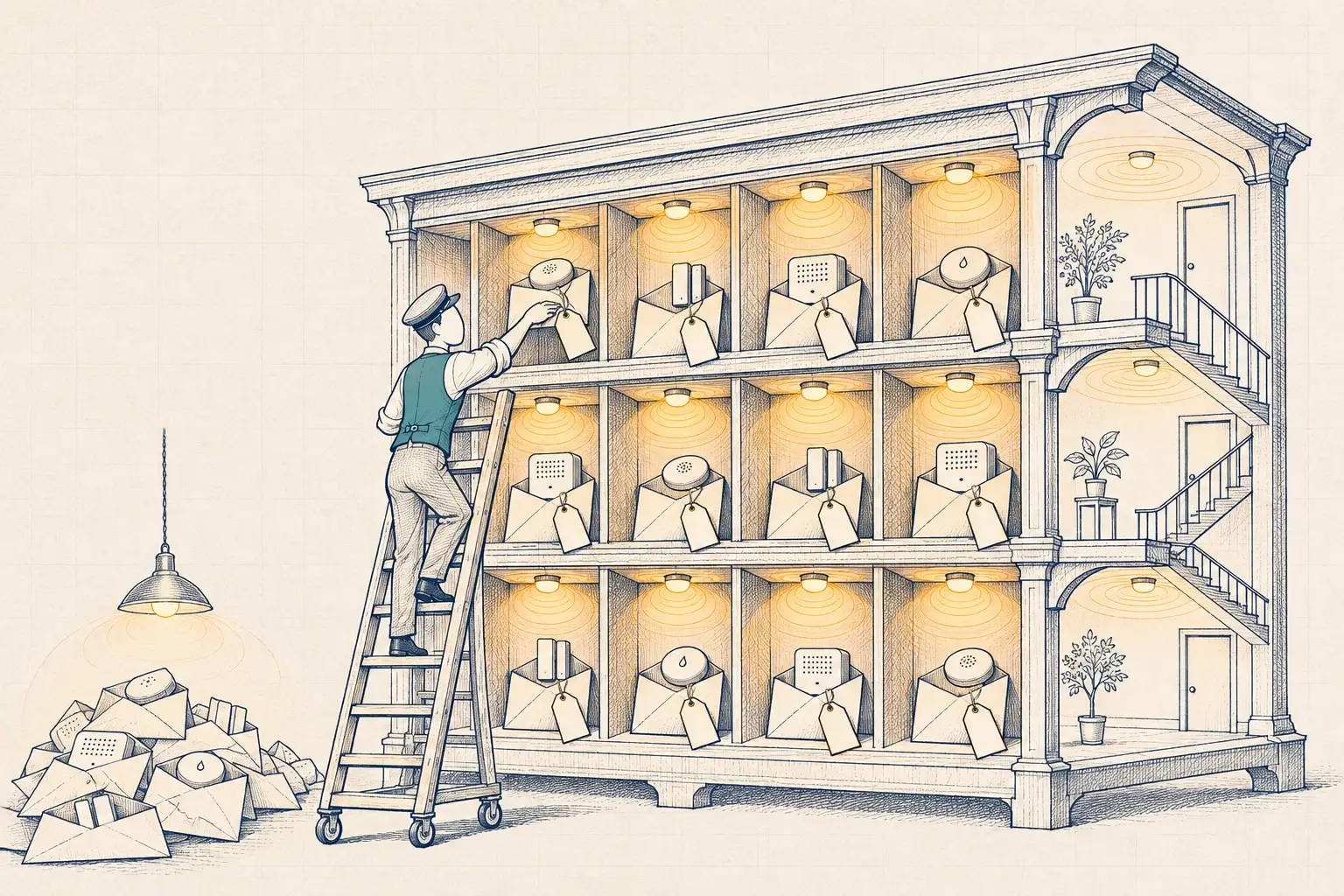
Matter does have building blocks, such as dimmable lights, occupancy and light sensors, and energy reporting, defined with homes in mind. The gap is not that the pieces are missing. It is that nobody has yet defined how those pieces behave as a commercial lighting system, at commercial scale, with commercial documentation.
Why it is not a replacement for BACnet
BACnet is the building automation protocol for HVAC, and increasingly for connecting lighting to the BMS. It defines objects and services for points, schedules, alarms and trends. Its secure variant, BACnet/SC, gives IT teams encrypted connections with mutual authentication. A building’s mechanical systems, its BMS front end and its controls contractor all speak it.
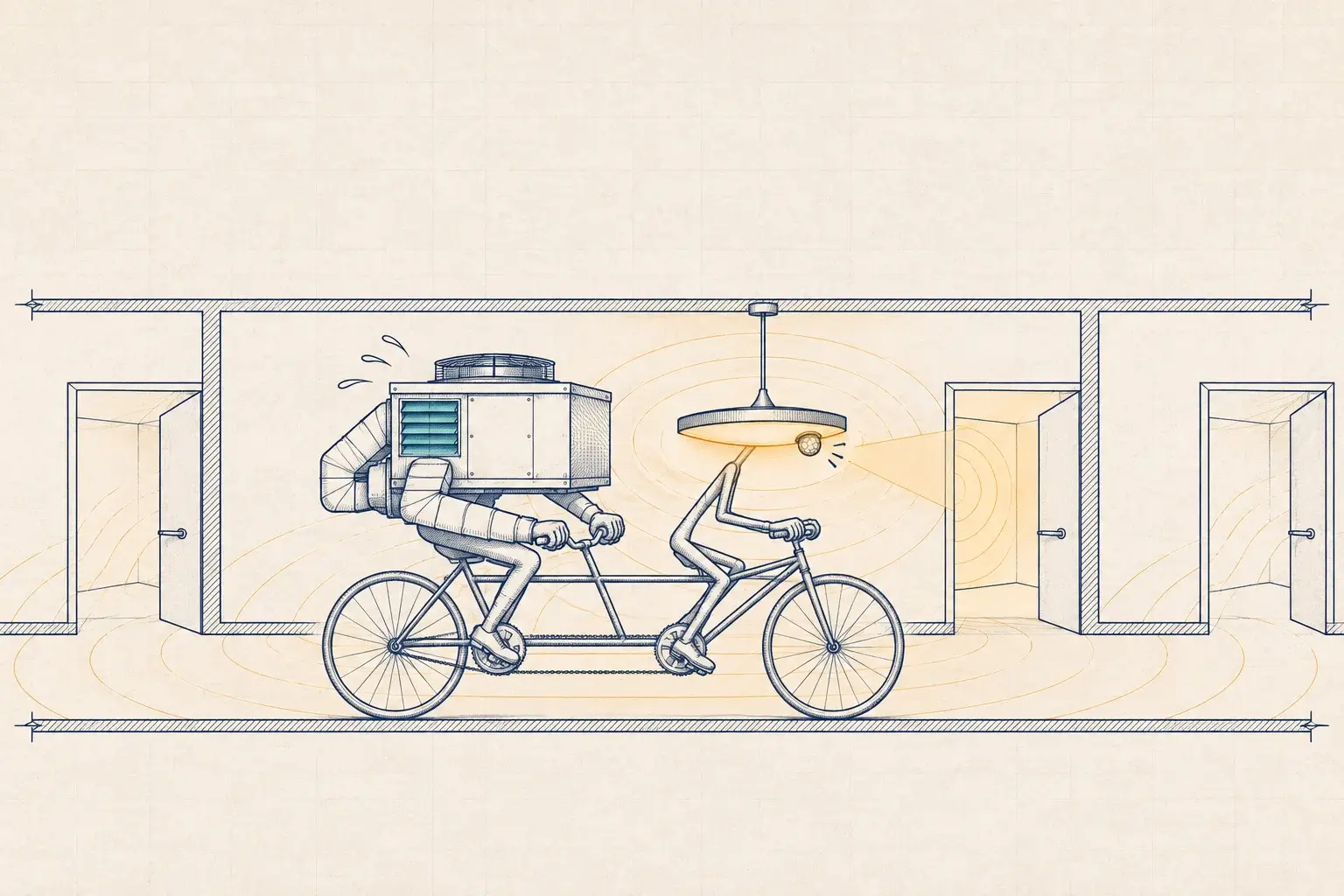
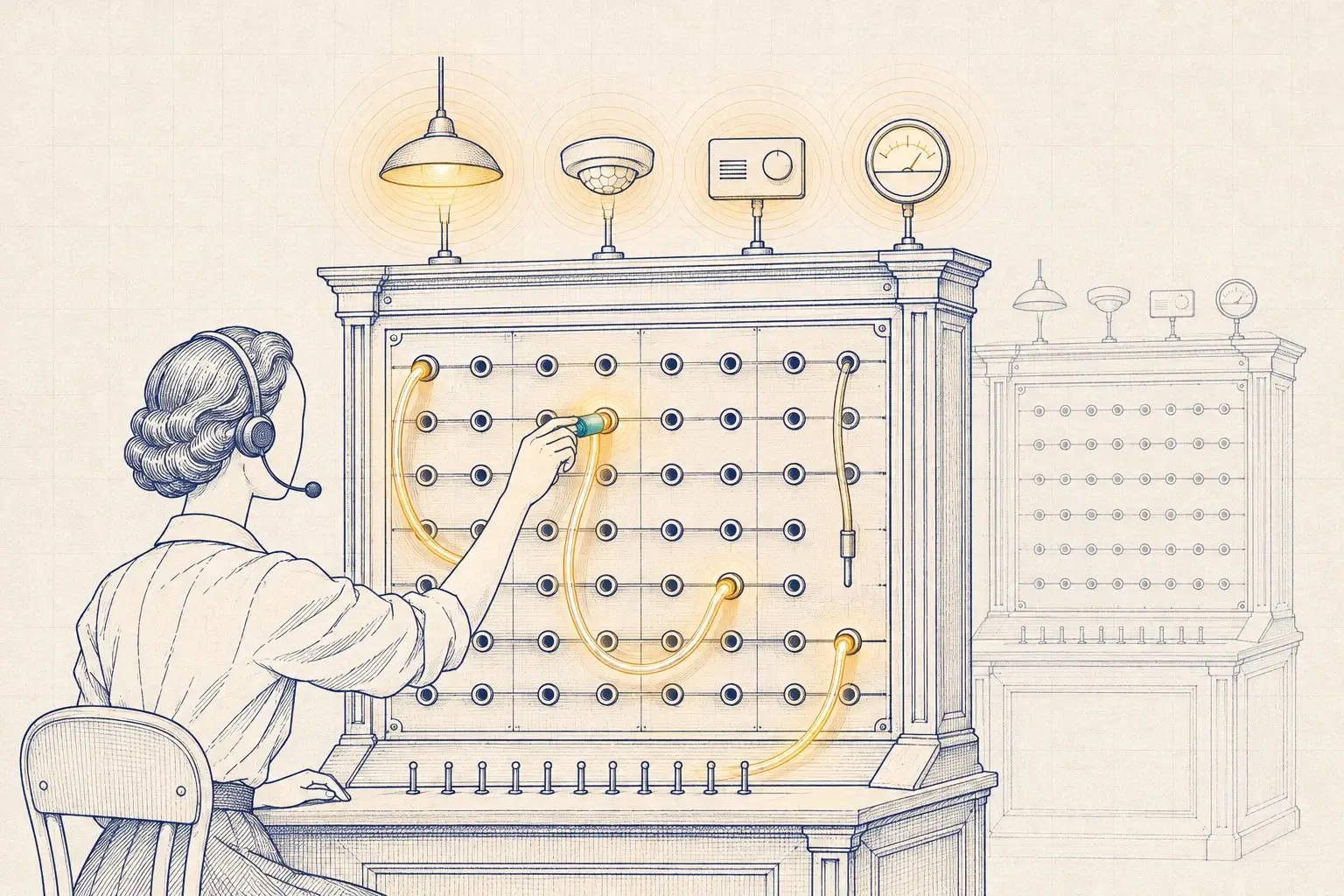
Matter and BACnet solve different problems. Matter describes devices and how a controller talks to them. BACnet describes a building’s systems and how supervisory software reads, writes, schedules and trends them. The likely future is not one replacing the other but gateways that bridge Matter devices into BACnet or into an integration layer. That is also how we would bring any Matter device into a building today; our BMS integration work covers the BACnet side.
Why it is not a replacement for NLC
DLC networked lighting controls are defined by capability: occupancy sensing, daylight response, high-end trim, zoning, continuous dimming, networking, cybersecurity and, for many systems, energy monitoring. NLC 5.2, which took effect in August 2026, adds HVAC and smart-thermostat integration and configuration reports in C137.9 format. Utility programs use the DLC Qualified Products List to decide what they will pay incentives on.
A Matter lighting product could someday be part of a listed NLC system. Today there is no commercial lighting device type to build that on, so there is no route to incentive eligibility for Matter lighting as such.
Where Matter might appear in commercial buildings now
We don’t think the answer is “never touch it.” A few places it can appear sensibly today:
- Small tenant suites and home-like spaces. A small professional office in a converted house, a manager’s apartment in a hotel, or a break room where a tenant wants consumer devices. Keep it off base-building lighting that has to meet code.
- Plug loads and non-lighting devices. Smart plugs that report energy, or sensors used in a comfort study. Useful data sources, if they come in through a gateway.
- Thread as infrastructure. Thread border routers will increasingly be present in buildings because of consumer devices. They are not a lighting control system, but they are part of the radio environment any wireless design should account for.
In each case, integrate at a gateway or integration layer, not by putting Matter devices directly on the building network.
Questions to ask when a vendor says “Matter-ready”
- Which Matter version and which device types does the product implement? Are any of them commercial lighting device types? (As of 2026, none exist.)
- Is the product certified today, or “ready” pending a future update?
- How does it meet code-required lighting sequences today, with or without Matter?
- Is the system on the DLC Qualified Products List for the capabilities you need?
- How does it reach your BMS: native BACnet, a gateway or an API?
- How are hundreds of devices commissioned, managed and audited?
- What firmware path takes the product from “ready” to certified, and who pays for that work?
A representative scenario: the tenant who asks for Matter
Picture a representative multi-tenant office building in Huntsville. The base building has networked lighting controls integrated with the BMS. A new tenant’s IT manager asks whether the suite could use Matter lighting and plugs, because the company uses Matter devices in other offices.
We would keep the suite’s general lighting on the base-building system, which meets code and supports the owner’s incentive application, and offer the tenant a gateway that exposes occupancy and scene control to their own tools. If the tenant wants Matter plugs or task lamps, those live on the tenant’s network, separate from the building’s controls. Everyone gets what they need, and nobody waits on a device type that hasn’t been written.
Signals worth watching
Matter’s commercial story will move, and it is worth knowing what real progress looks like, as opposed to press releases. These are the signals we track in the Lab:
- Published commercial lighting device types. Not a roadmap slide, but specification text that defines zones, occupancy sequences, daylight response and trim.
- A certification program that tests them. Device types without certification put us back where early DALI was: compliant on paper, surprising in the ceiling.
- Enterprise management tools. Commissioning hundreds of devices from a floor plan, with user roles, change logs and backups. Phone-based setup does not scale to a 200,000 sq ft plant.
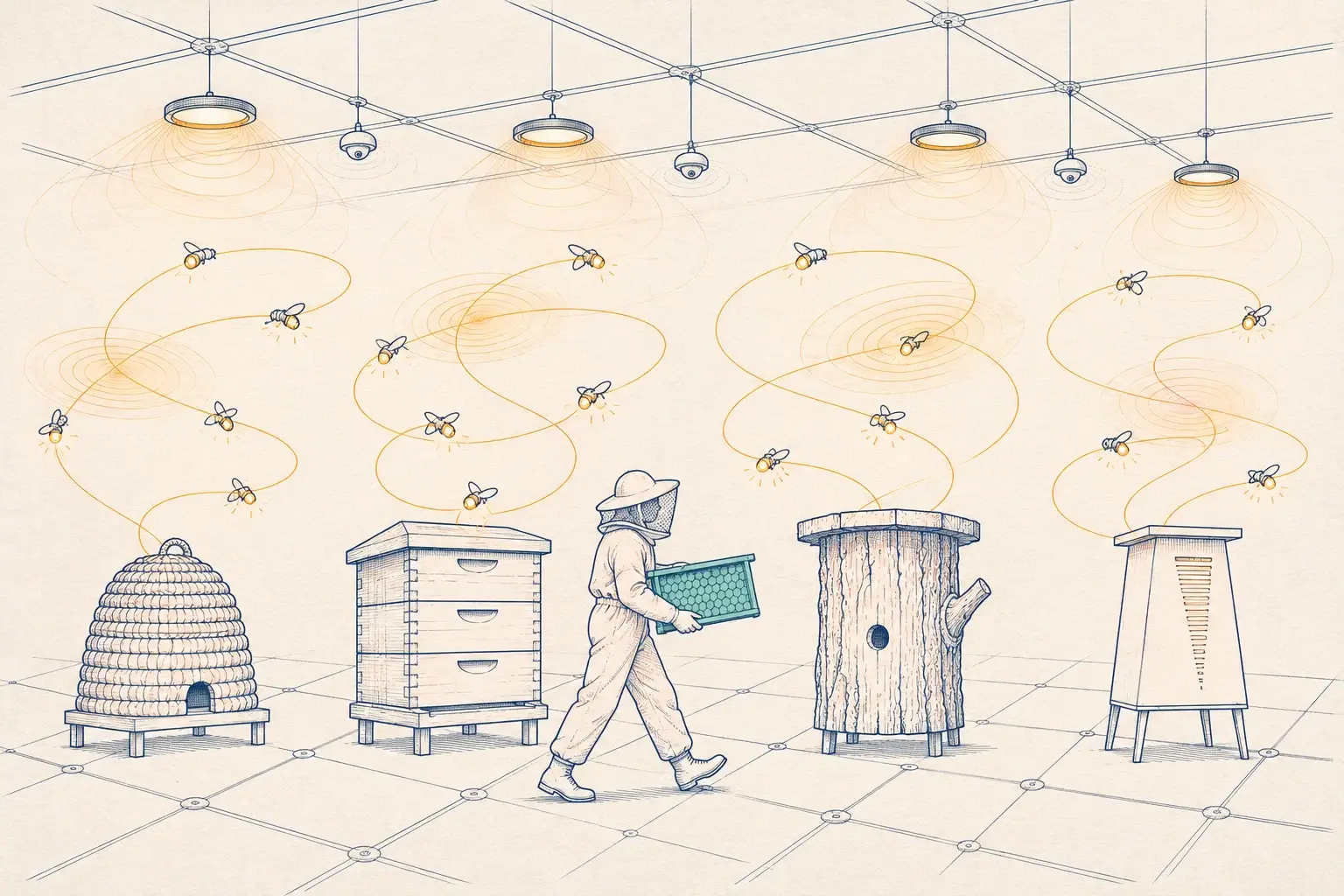
- Gateways to BACnet and BACnet/SC from more than one manufacturer, so Matter devices can join a building without a proprietary bridge.
- A route to DLC listing. Until incentive programs can recognize it, Matter lighting will struggle to compete with listed systems on total project cost.
When most of those boxes are ticked, the answer to this post’s question changes, and we will say so.
What we’d do
- Don’t specify Matter for commercial lighting controls in 2026. Specify DLC-listed networked controls with open data export instead.
- Specify openness, not logos. BACnet or BACnet/SC to the BMS, a documented API, MQTT for analytics. Those keep the door open to whatever Matter becomes.
- Test claims on the bench. If a product claims Matter support, our Lab tests what it actually does and how it behaves next to the building’s systems.
- Revisit when device types publish. When the CSA publishes commercial lighting device types and certified products follow, we will test them and update this recommendation.
Where to start
If you are weighing Matter or other IoT devices in a commercial building, our IoT hardware integration service sorts out what belongs on the building network, what belongs behind a gateway, and how the data reaches your BMS and analytics. For the protocols we integrate today and how deeply, see Integrations & Protocols.
Filed under: Matter · Thread · IoT integration · BACnet · CSA