The decision is about money and risk, not fixtures
Lighting-as-a-service (LaaS) shows up on a CFO’s desk in a familiar form: a proposal to upgrade the lighting and controls across a building or portfolio, with no upfront purchase and a fixed monthly fee instead. The pitch is easy to like. The decision deserves more than a glance at the monthly number.
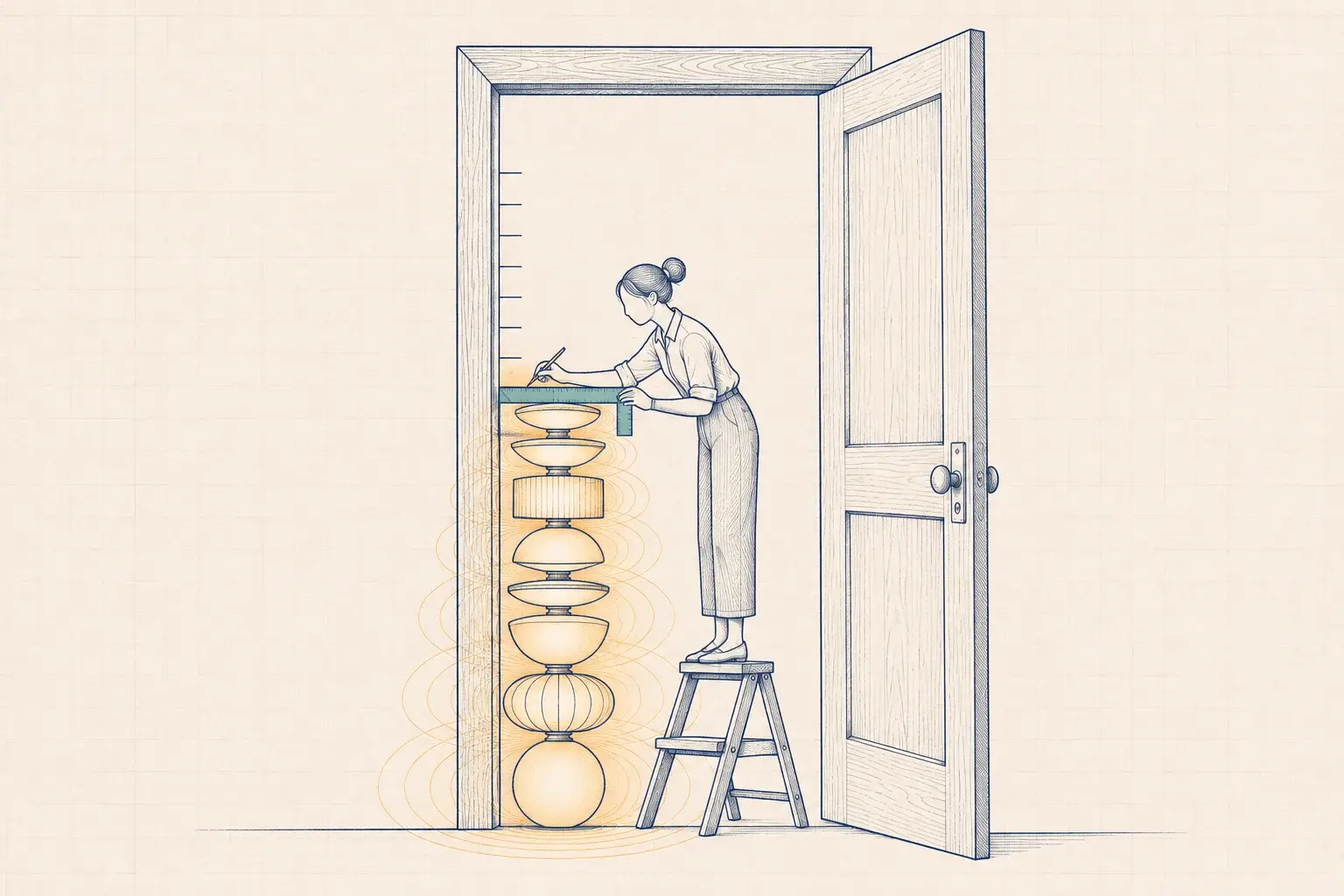
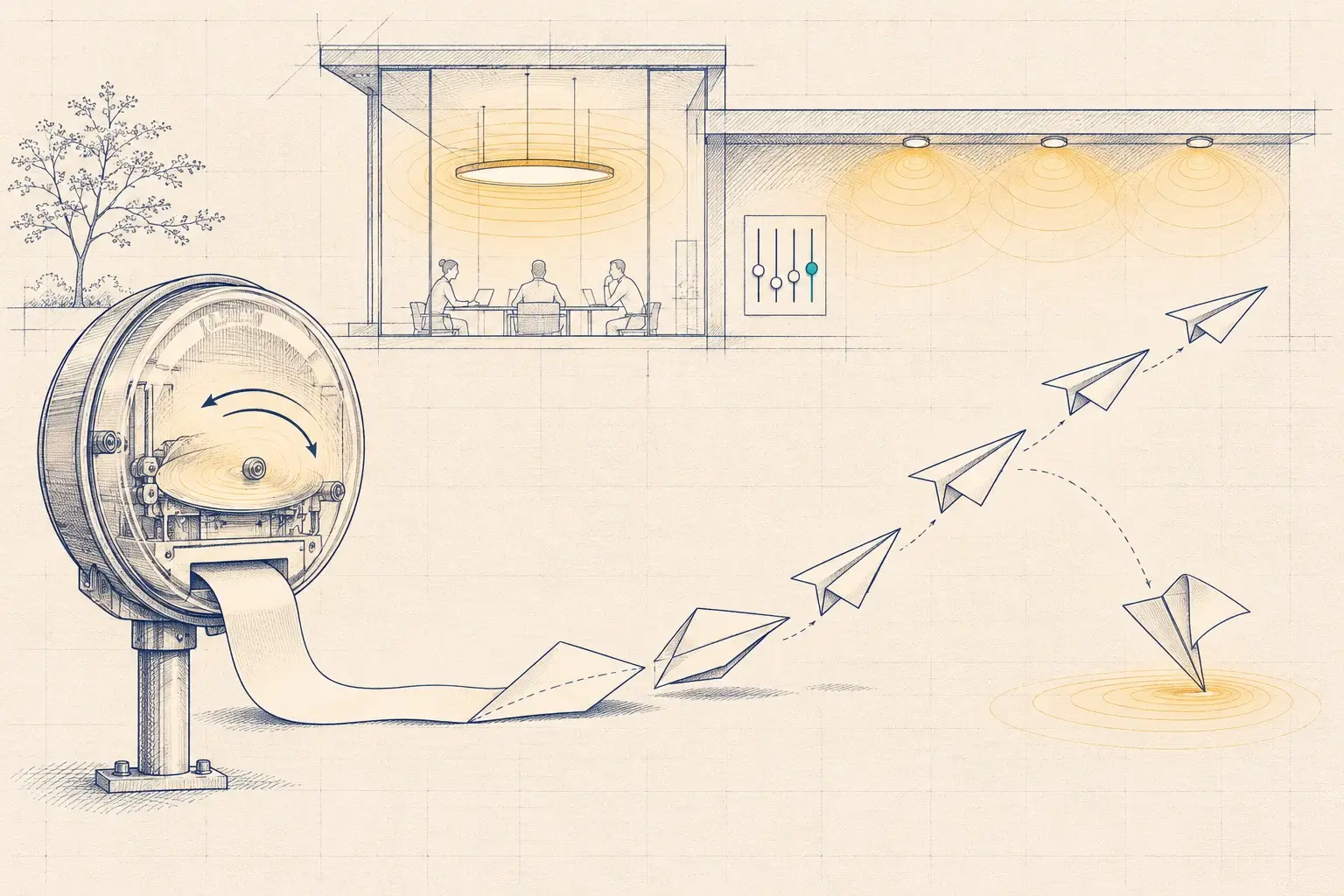
The question is whether to pay for a lighting and controls upgrade as a service or buy it outright. The fixtures and sensors are often similar either way. What changes is who pays when, who carries which risks, what the contract obliges each side to do, and how the arrangement shows up in your financial statements.
What lighting-as-a-service usually means
Structures vary, but most LaaS arrangements share these features:
- The provider designs and installs the lighting and controls, and either owns the equipment or arranges the financing.
- You pay a fixed periodic fee over a multi-year term instead of a purchase price.
- Maintenance and monitoring are usually included for the term, sometimes with performance commitments.
- At the end of the term, you buy the equipment, renew, or have it removed.
The model has spread because it solves real problems. Many owners in the rural South and mid-sized markets don’t have capital budgeted for lighting, and energy-as-a-service firms have tended to focus on national chains, which leaves single-site and mid-size owners with fewer choices.
The framework
We use this table with owners to make the comparison explicit. Each row is a question about your organization, not about the lighting.
| Factor | Favors lighting-as-a-service when | Favors buying outright when |
|---|---|---|
| Capital | Capital is scarce or committed to core operations | Capital is available and the project competes well against other uses |
| Hold period | You may sell or vacate before the equipment’s useful life ends | You plan to own and occupy the building long term |
| Maintenance capacity | You have no in-house team comfortable with networked controls | Your team, or a support plan, can maintain controls |
| Performance risk | You want the provider to carry the risk of underperformance | You are comfortable verifying and managing performance yourself |
| Budget predictability | A fixed monthly fee fits how you budget | You prefer a one-time capital expense and lower ongoing costs |
| Incentives and tax | The provider can capture incentives efficiently and pass them through | You can capture incentives directly and use any tax benefits yourself |
| Flexibility | The contract allows changes, relocations and early exit on clear terms | You want full freedom to modify, expand or remove equipment |
| Accounting | Your accountant is comfortable with how the contract will be treated | You want the simplest accounting: an owned asset |
| Data | The contract guarantees your ownership of energy and occupancy data | You want the data and systems fully under your control |
Few owners land entirely on one side. The point is to see which rows matter most to you.
The accounting question: ASC 842
For organizations reporting under US GAAP, ASC 842 governs lease accounting, and it is the question CFOs ask first. The short version, which is not accounting advice:
- A contract is or contains a lease if it conveys the right to control the use of an identified asset for a period of time in exchange for consideration.
- The identified-asset test asks whether specific equipment is explicitly or implicitly specified, and whether the provider has a substantive right to substitute it. A genuine substitution right can mean there is no identified asset.
- The control test asks whether you obtain substantially all of the economic benefits from using the equipment and whether you direct how and for what purpose it is used.
- If a lease exists, it generally appears on the balance sheet as a right-of-use asset and a lease liability, and service elements in the same contract may need to be separated from the lease element.
LaaS contracts can fall on either side of that line depending on their terms. Two contracts with the same monthly fee can be accounted for differently. Consult your accountant, and have them review the draft contract before signature, not after.
On tax: owned equipment and service fees are treated differently, and the details are for your tax advisor. One specific note, since it still comes up: the 179D deduction is not available for property whose construction begins after June 30, 2026. Don’t count on it for new projects, and ask your tax advisor about any project already underway.
Read the contract like an engineer
The contract determines whether LaaS delivers what the proposal promises. Before signing, check:
- Scope: every fixture, sensor, gateway and software service included, by space.
- Performance commitments: what is guaranteed (energy, uptime, light levels), how it’s measured, and the remedy if it isn’t met.
- Measurement method: who measures savings, against what baseline, and whether you can see the data.
- Maintenance response: response times for failures, and what counts as a failure.
- Changes: what happens if you renovate, reconfigure or add space.
- Incentives: who applies, who receives the money, and how it affects the fee.
- Data ownership: who owns energy and occupancy data, and whether you can export it.
- Assignment: what happens if you sell the building, or the provider sells the contract.
- End of term: buyout terms, renewal terms and removal obligations, defined now.
- Early termination: the cost and process if you need to exit.
Where service arrangements disappoint
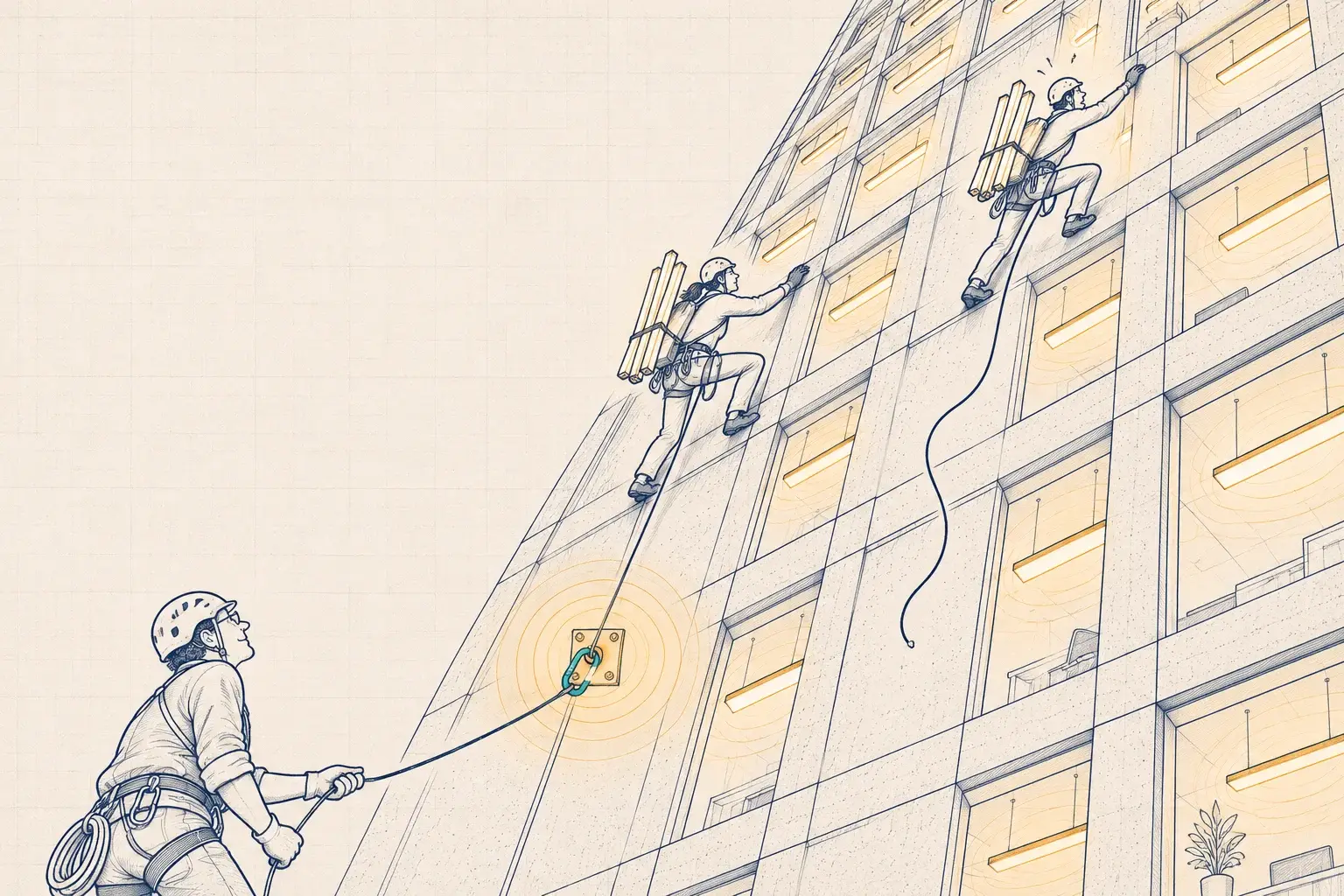
When a service arrangement disappoints, the cause is rarely the lighting. It is usually something the contract left vague:
- Savings measured against a baseline nobody on the owner’s side reviewed, so the “guaranteed” number was never comparable to the utility bill.
- Maintenance terms that exclude the controls, so a failed sensor waits for the next scheduled visit while a zone runs at full output.
- A building sale the contract didn’t anticipate, leaving the buyer to inherit obligations it never priced.
- An undefined buyout, negotiated at the end of the term, when the owner has the least leverage.
Each of these is cheap to prevent at signing and expensive to fix later.
Two typical situations
Consider two owners in North Mississippi.
The first owns a medical office building in Tupelo and expects to sell within a few years. Capital is committed to clinical equipment, and there is no in-house facilities team. For this owner, a service arrangement with maintenance included and clear assignment terms on sale may be the better fit, subject to the accounting review.
The second is a family-owned manufacturer that has owned its plant for decades and plans to keep it. It has a maintenance crew, access to capital, and the patience to manage incentives directly. For this owner, buying outright, with a support plan for the controls, is likely to cost less over the life of the equipment.
Both are reasonable answers. Neither depends on the lighting technology.
Why measurement matters either way
Whichever path you choose, the savings need to be measured. In a LaaS deal, measurement is how you hold the provider to its commitments. In an owned project, it is how you know the investment is performing and how you defend the next one. DLC estimates average savings of about 49% for networked lighting controls and 63% for NLC with luminaire-level controls, but your building’s number comes from your meters and your operating hours. Fixture- and zone-level metering in a platform like Lytbit Ledger gives both sides the same data.
What we’d do
For an owner weighing the two options, we’d:
- Define the technical scope once, so both options are priced on the same fixtures, controls and services.
- Model both options over the same term, including maintenance, monitoring, incentives and end-of-term choices, using the Savings Estimator for a first range and site data for the final numbers.
- Put the draft contract in front of your accountant for the ASC 842 question early.
- Check incentive timing, because pre-approval rules apply regardless of ownership. Our post on TVA EnergyRight covers that process.
- Decide on the rows that matter most to your organization, and choose.
We offer both paths. Our Lighting-as-a-Service is billed as a fixed monthly fee with monitoring and support included, and we design and commission projects owners buy outright. If you want a clear comparison for your building, start with a Baseline Assessment, which gives you the scope both options would be priced on.
Filed under: lighting as a service · ASC 842 · capital planning · project finance